“Do you think I don’t know what will happen?” A student from Mbeya on the injections that protect his heart
A colouring-book page led a student from Mbeya to tell us what living with rheumatic heart disease is like and why he keeps going back for injections he fears.
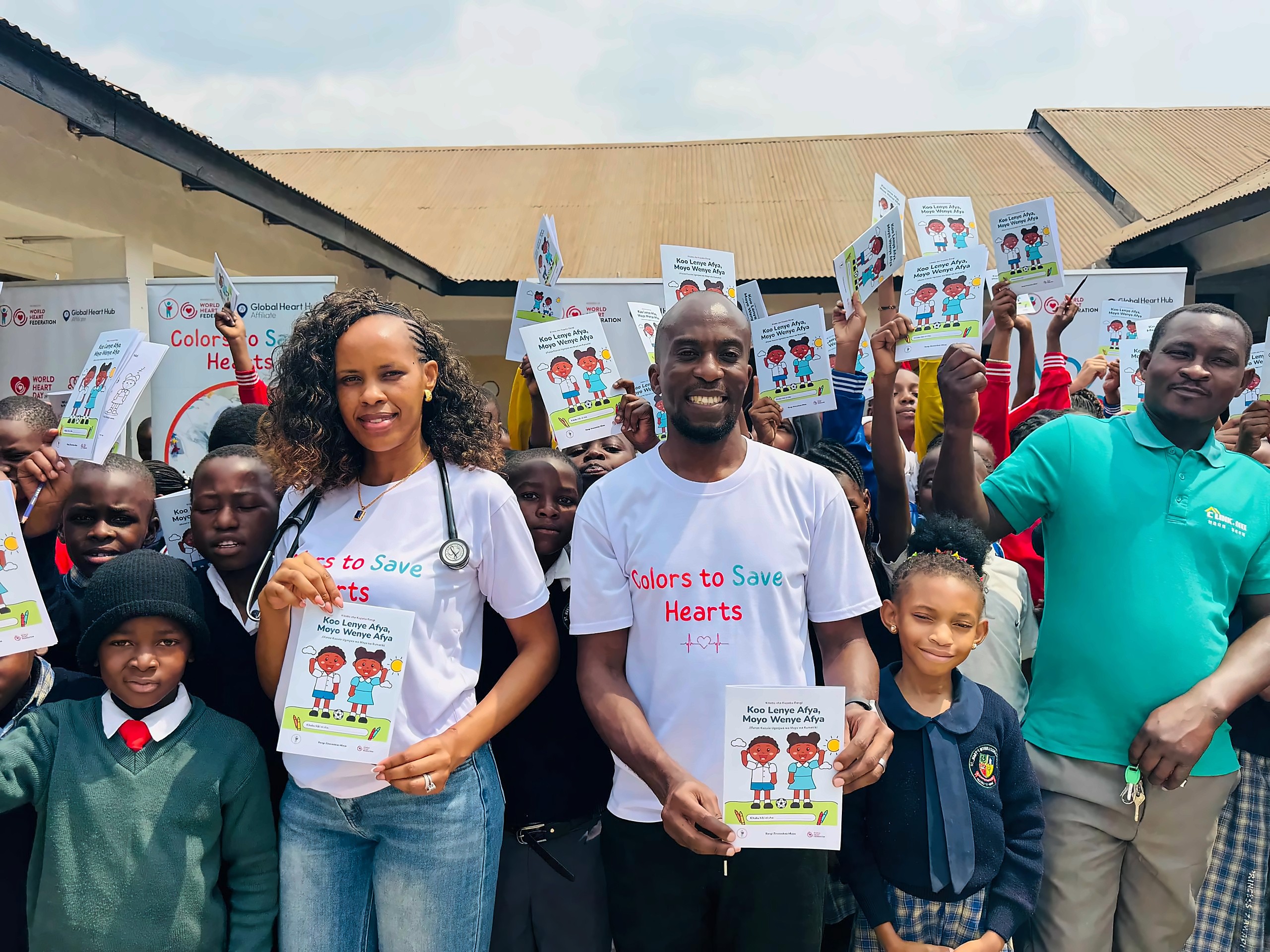
During a Colors to Save Hearts school session in Mbeya City, in Tanzania’s Southern Highlands, we met a student who has lived with rheumatic heart disease since he was five years old.
Our screening did not find it. He told us himself.
A page he already knew
Every child at the session received our colouring book, which shows in pictures how a sore throat can lead to heart disease and how to protect the heart. One page explains why some children with rheumatic heart disease need regular injections to stop further damage to their hearts.
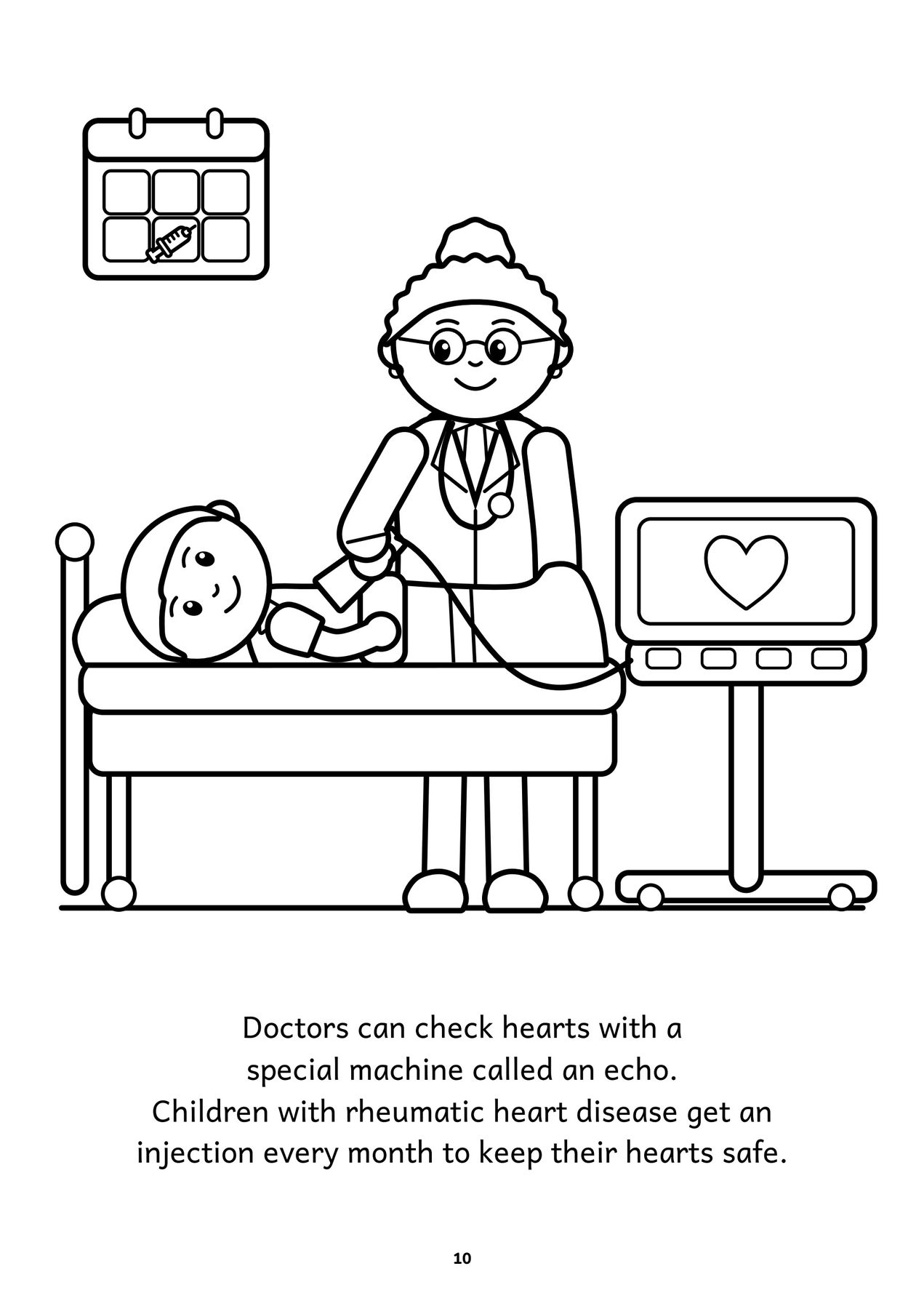
He stopped at that page. He did not need it explained, because he has been living it for years. He began to tell our team his story.
A long road to the right diagnosis
When he first fell ill, his family took him to a hospital. He was told he had stomach ulcers and was given medicine, but he did not get better.
His family looked for a second opinion. Further tests showed that he had rheumatic heart disease and he was started on regular injections to stop rheumatic fever from coming back and harming his heart further.
He understands why he needs them. Still, he told us that fear builds as each appointment comes closer and that after the injection he feels a numbness he calls ganzi.
For health workers, the injection is routine prevention. For him, each one also brings fear and discomfort. Good treatment means the right medicine and it also means understanding what it is like to receive it.
Two questions
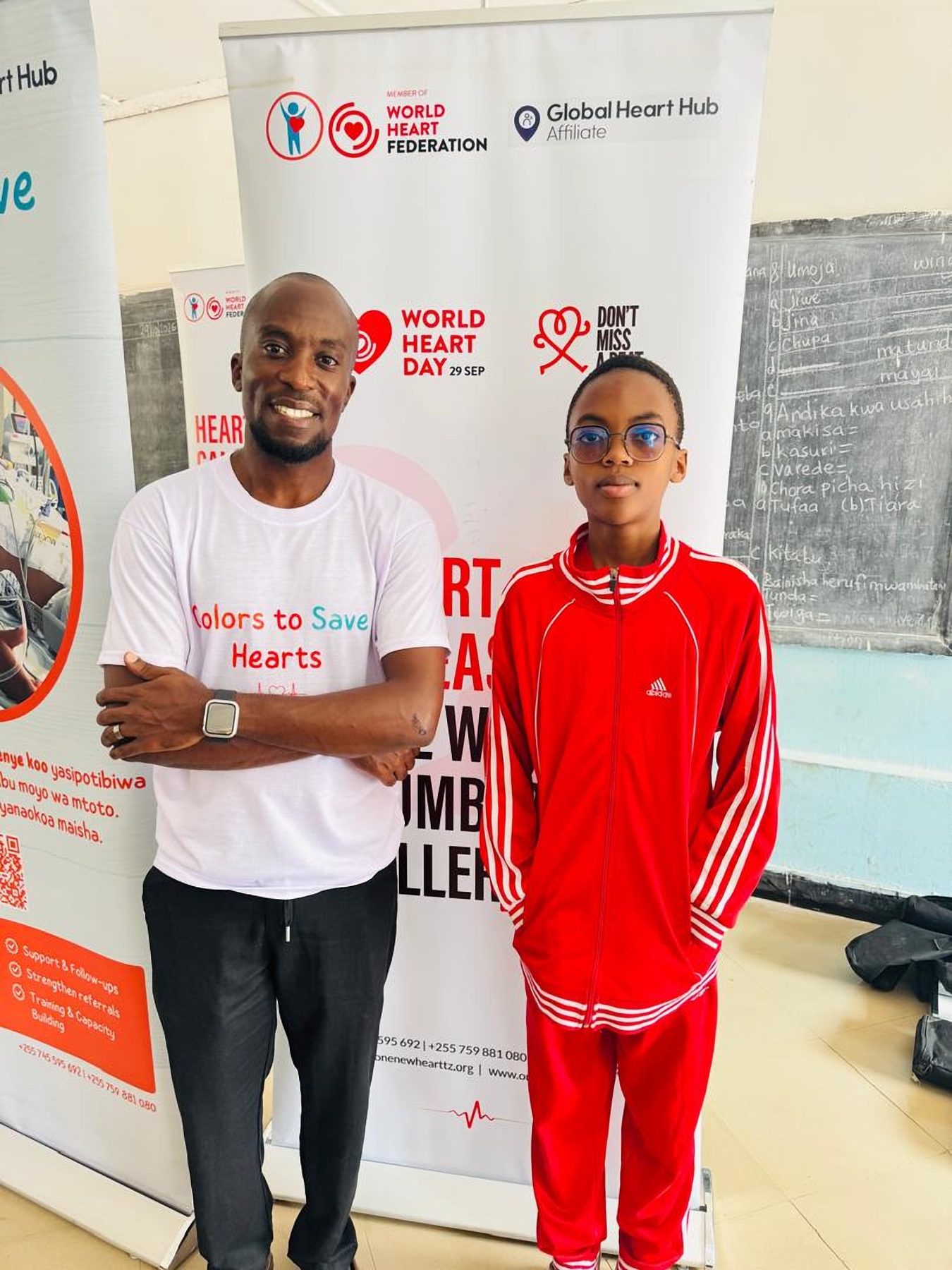
Talking with our doctor, he asked: “What will happen if I stop receiving the injections?”
Our doctor explained that stopping could let rheumatic fever return and damage his heart further.
He laughed and answered in Kiswahili: “Unadhani sijui nini kitatokea?” Do you think I don’t know what will happen?
Then he said: “I will die.”
He was not asking for information. He already knew and he keeps going back for his injections, fear and all.
His second question was harder for us to answer. He asked how a person could go to a hospital and leave without anyone finding the heart disease. That is what happened to him.
What his story asks of us
Prevent it earlier. Rheumatic heart disease starts with a strep throat that is not treated properly. It can lead to rheumatic fever, which scars the heart valves. The World Health Organization calls it the most commonly acquired heart disease in people under the age of 25. That is why Colors to Save Hearts teaches pupils, teachers and parents to act on a sore throat.
Find it sooner. His heart disease was first taken for another illness. Echocardiography closer to where children live and health workers who know the signs help children get the right diagnosis the first time.
Make treatment bearable and reliable. Long-acting penicillin injections, usually given every three to four weeks, stop rheumatic fever from coming back. They protect the heart only if children keep receiving them, often for many years. A child who dreads each injection needs more than a prescription: he needs to be listened to and the injections must never run out.
Listen to the people who live with it. He understands his condition better than many adults would expect. Children and families living with rheumatic heart disease should help shape the services meant for them.
We are grateful to him for trusting us with his story. If your child has a sore throat that does not go away, take them to a health facility.
Published with the family’s written consent. We have not used his name.
More news
All news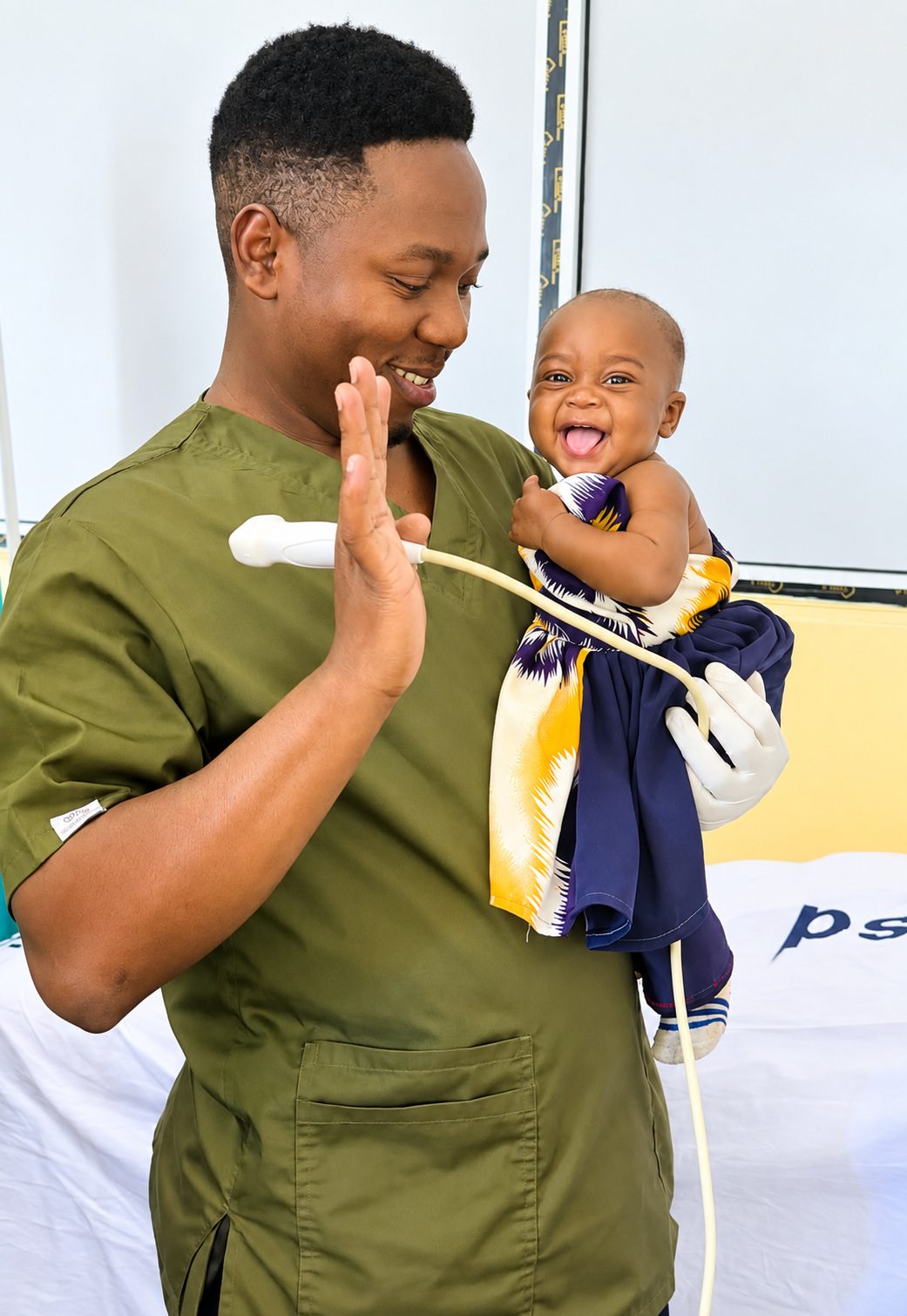
World Heart Day 2026: don't miss the signs of heart disease in children
On World Heart Day we ask every family, health worker and leader in Tanzania to act early on heart disease in children. Early checks change what happens next.
Read more
Colors to Save Hearts Launches in Tanzania
The One New Heart Tanzania has launched Colors to Save Hearts, a 12-month initiative aimed at reducing Rheumatic Heart Disease (RHD) among school-aged children through awareness, early detection, referral support and stronger collaboration between schools and health facilities.
Read more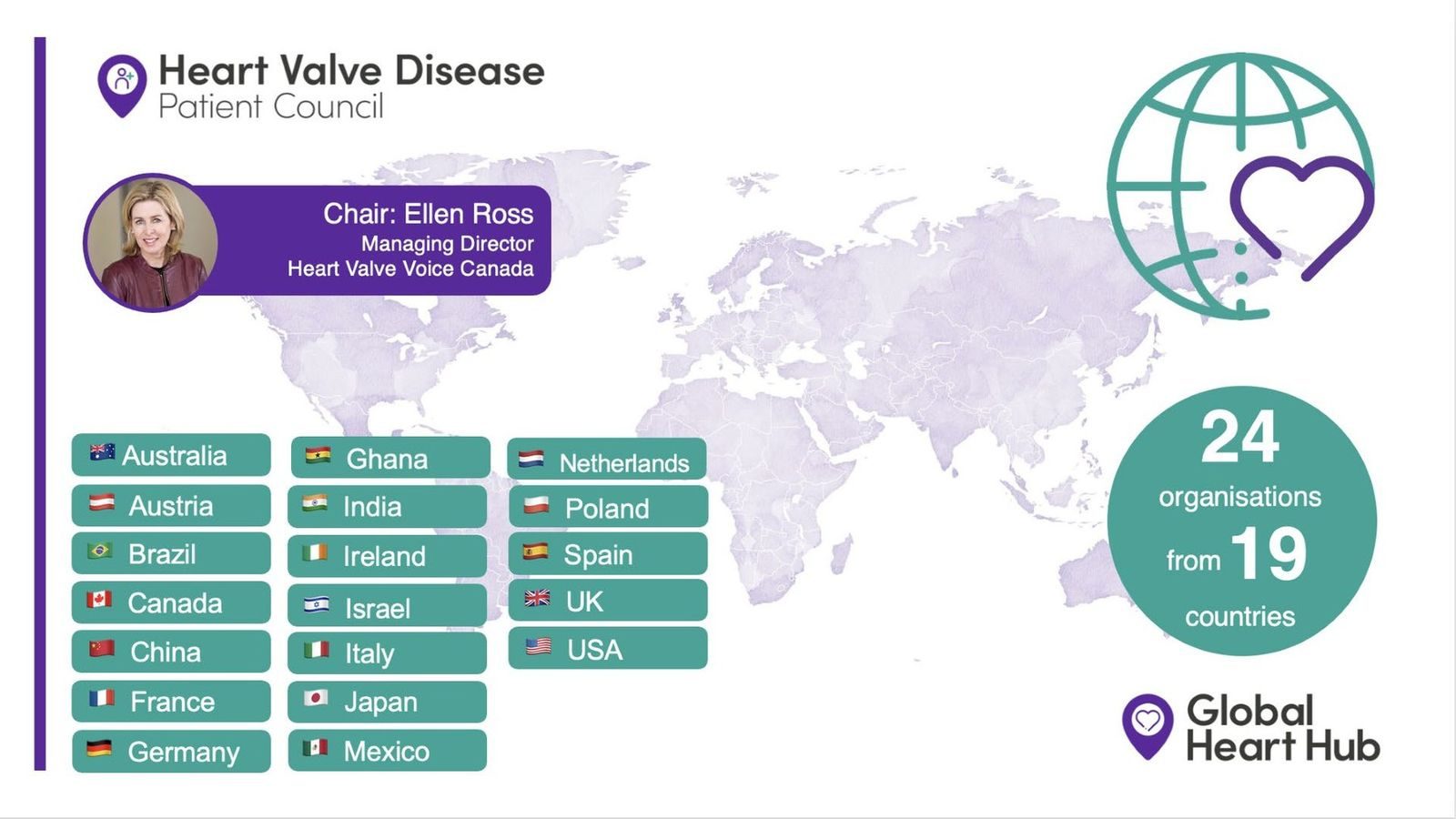
The One New Heart Tanzania Joins the Global Heart Hub
We are excited to share that we have officially joined the Global Heart Hub, the first global alliance of heart patient organizations, advocating for better outcomes for people living with cardiovascular disease.
Read more