World Heart Day 2026: don't miss the signs of heart disease in children
On World Heart Day we ask every family, health worker and leader in Tanzania to act early on heart disease in children. Early checks change what happens next.
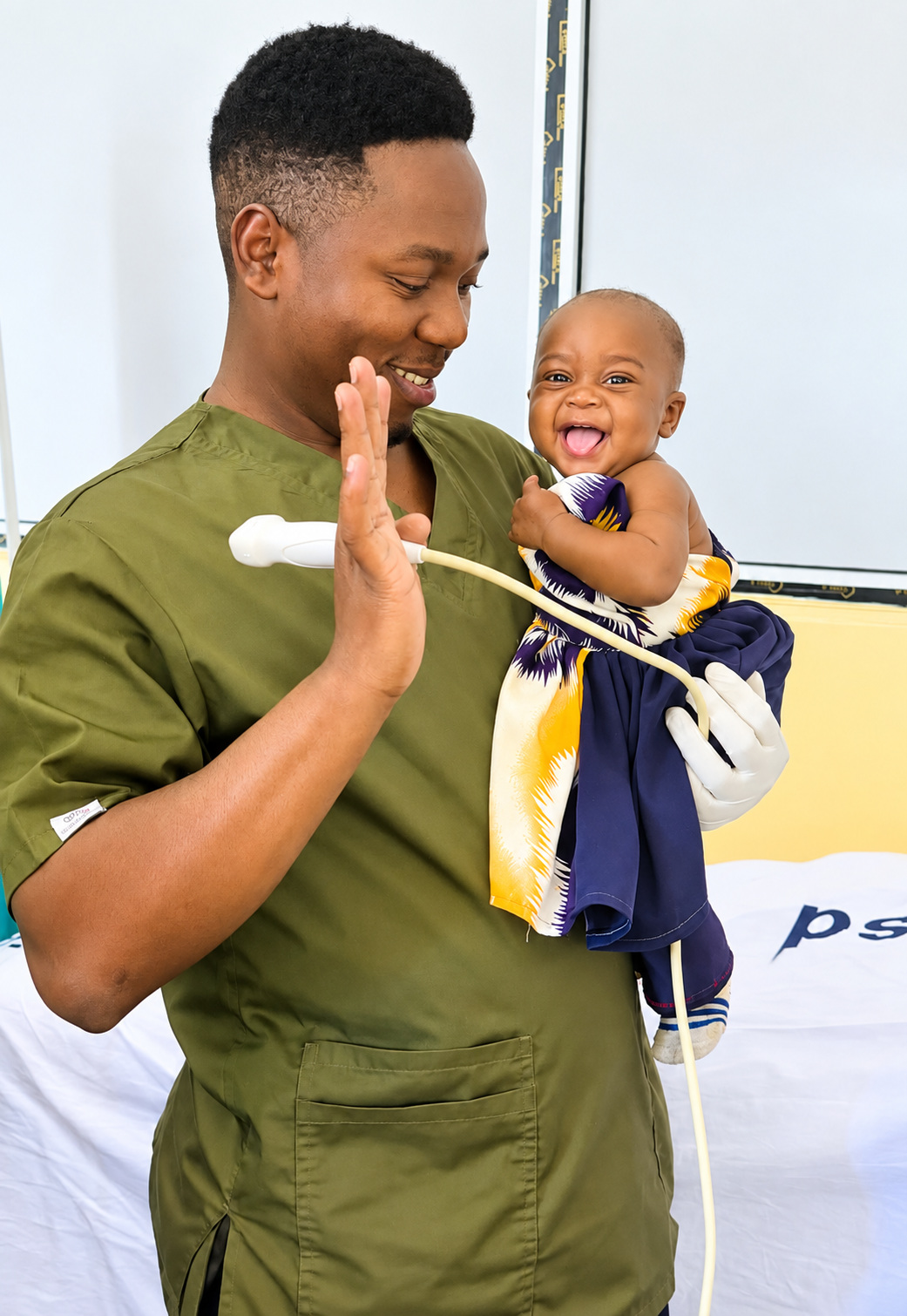
World Heart Day is marked every year on 29 September. This year the World Heart Federation's campaign is Don't Miss a Beat, a call to see the signs of heart disease, protect our hearts and demand action from health systems. As a member of the World Heart Federation and an affiliate of the Global Heart Hub, The One New Heart Tanzania joins the campaign with one message for Tanzania: heart disease in children must be found early.
Heart disease in children is often missed
Heart disease is not only a disease of older people. Some children are born with it. Others develop it after an untreated throat infection leads to rheumatic fever, which can damage the heart valves for life. In its early stages a child may look well, or the signs may be put down to other illnesses such as repeated chest infections. By the time many families seek help, the disease is already advanced.
Signs every parent and carer should know
In babies and young children
- Fast or difficult breathing, even when resting
- Sweating, tiring or stopping often while breastfeeding
- Slow weight gain
- Frequent chest infections
- A bluish colour of the lips, tongue or fingernails
In older children and teenagers
- Getting breathless or tired much sooner than friends when playing or walking
- Chest pain, a racing heartbeat or fainting during activity
- Swollen feet or legs
- A sore throat followed some weeks later by fever and painful, swollen joints, which can be rheumatic fever
What to do
- If you notice any of these signs, take the child to a health facility and say clearly that you are worried about the heart. Ask whether the child needs a heart examination, an ECG or an echo (an ultrasound of the heart).
- When a health worker prescribes antibiotics for a child's sore throat, give the full course. This helps prevent rheumatic fever and the heart damage it causes.
- Keep every clinic appointment. A child who has been diagnosed or treated needs regular follow-up, even when they look well.
- Do not let fear or rumours delay care. Heart disease is a medical condition. It is not caused by a curse or by anything the parents did.
- If a child has severe difficulty breathing, has blue lips or has fainted, go to the nearest hospital immediately.
What health workers and leaders can do
Health workers can listen to the heart during routine child visits and refer early when something is not right. Teachers can tell parents when a child tires unusually quickly or often misses school through illness. Leaders and planners can include children's heart disease in national health plans, so that screening, diagnosis and treatment are available and affordable closer to home.
A Heart Champion from our team
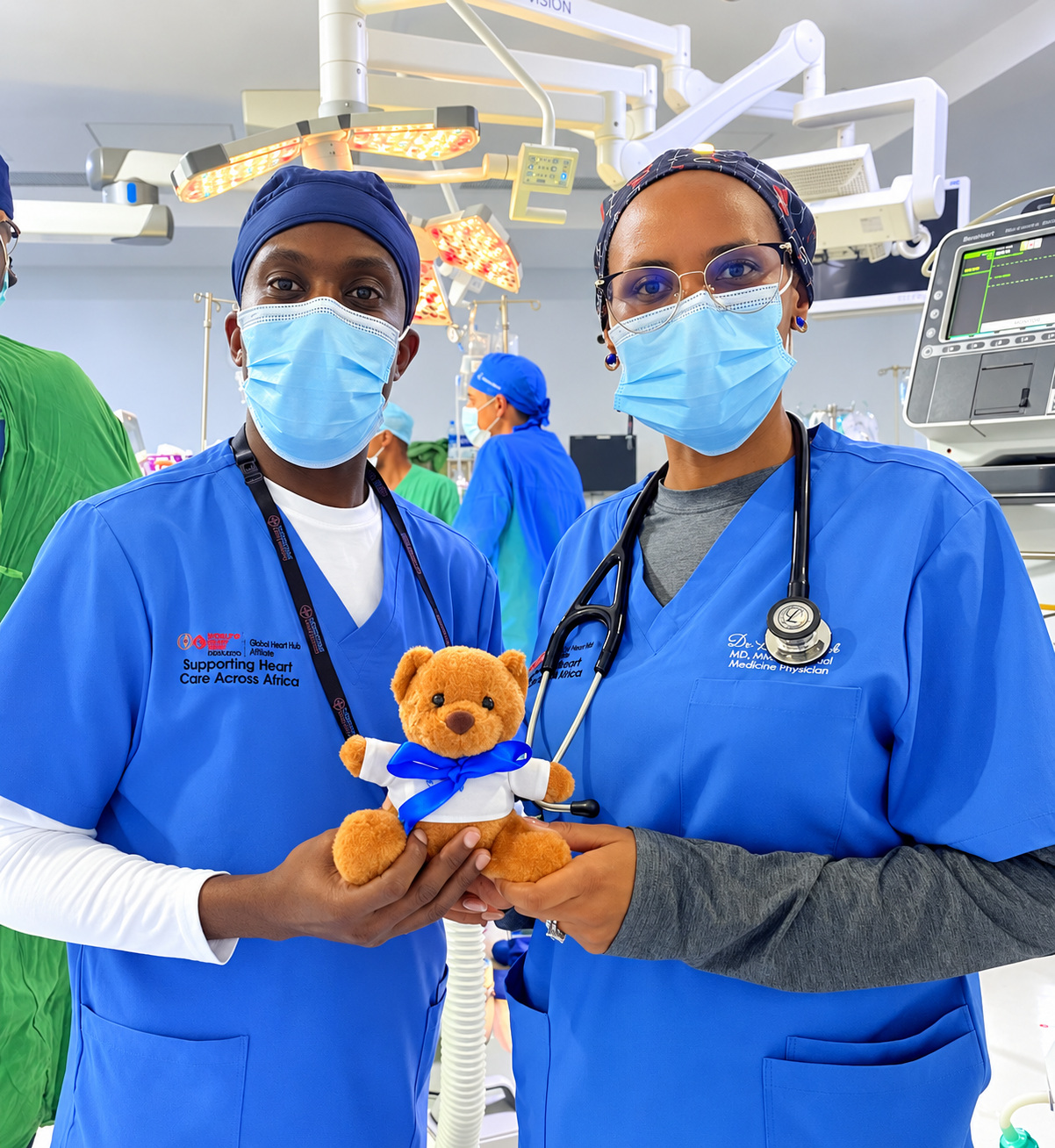
Pietro Chille, our Executive Director, and Dr. Lioba Joseph in theatre
This year Dr. Lioba Joseph, internal medicine physician and our Head of Medical Tourism, was nominated as a Heart Champion. We congratulate her. Her nomination recognises that better heart care begins with people who stand beside patients and families and speak up for them.
Join the campaign
- Share this message with parents, carers and teachers in your community, using #WorldHeartDay and #DontMissABeat.
- Ask Moyo Guide your questions about children's heart health, in Kiswahili or English.
- Learn more about the global campaign at worldheartday.org.
- Support heart screening and treatment for children through our donate page.
Don't miss a beat. When heart disease in a child is found early, that child has the best chance of a full and healthy life.
More news
All news
Colors to Save Hearts Launches in Tanzania
The One New Heart Tanzania has launched Colors to Save Hearts, a 12-month initiative aimed at reducing Rheumatic Heart Disease (RHD) among…
Read more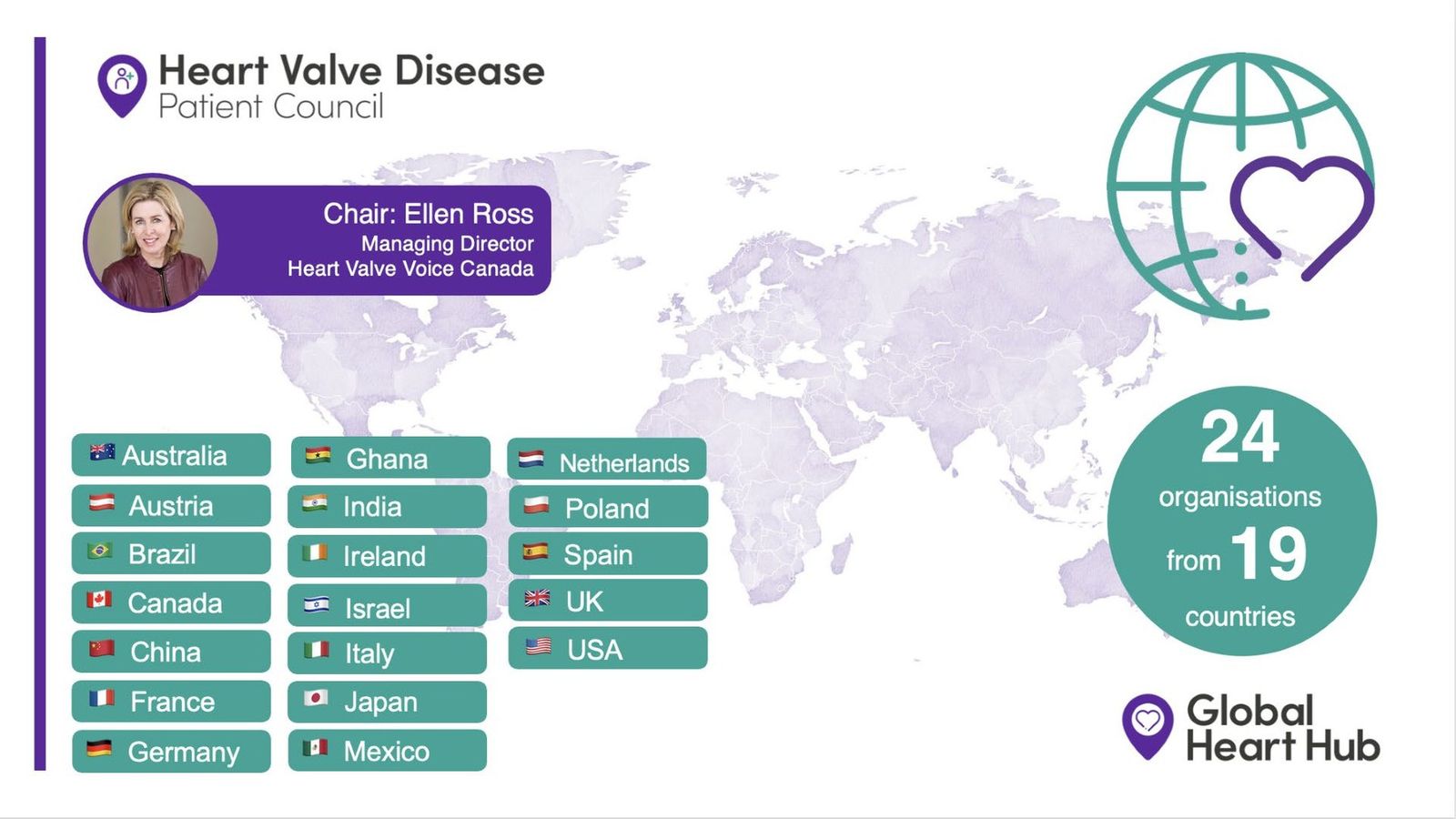
A Heart for Every Child: The One New Heart Tanzania Joins the Global Heart Hub
We are excited to share that we have officially joined the Global Heart Hub, the first global alliance of heart patient organizations, advocating for…
Read more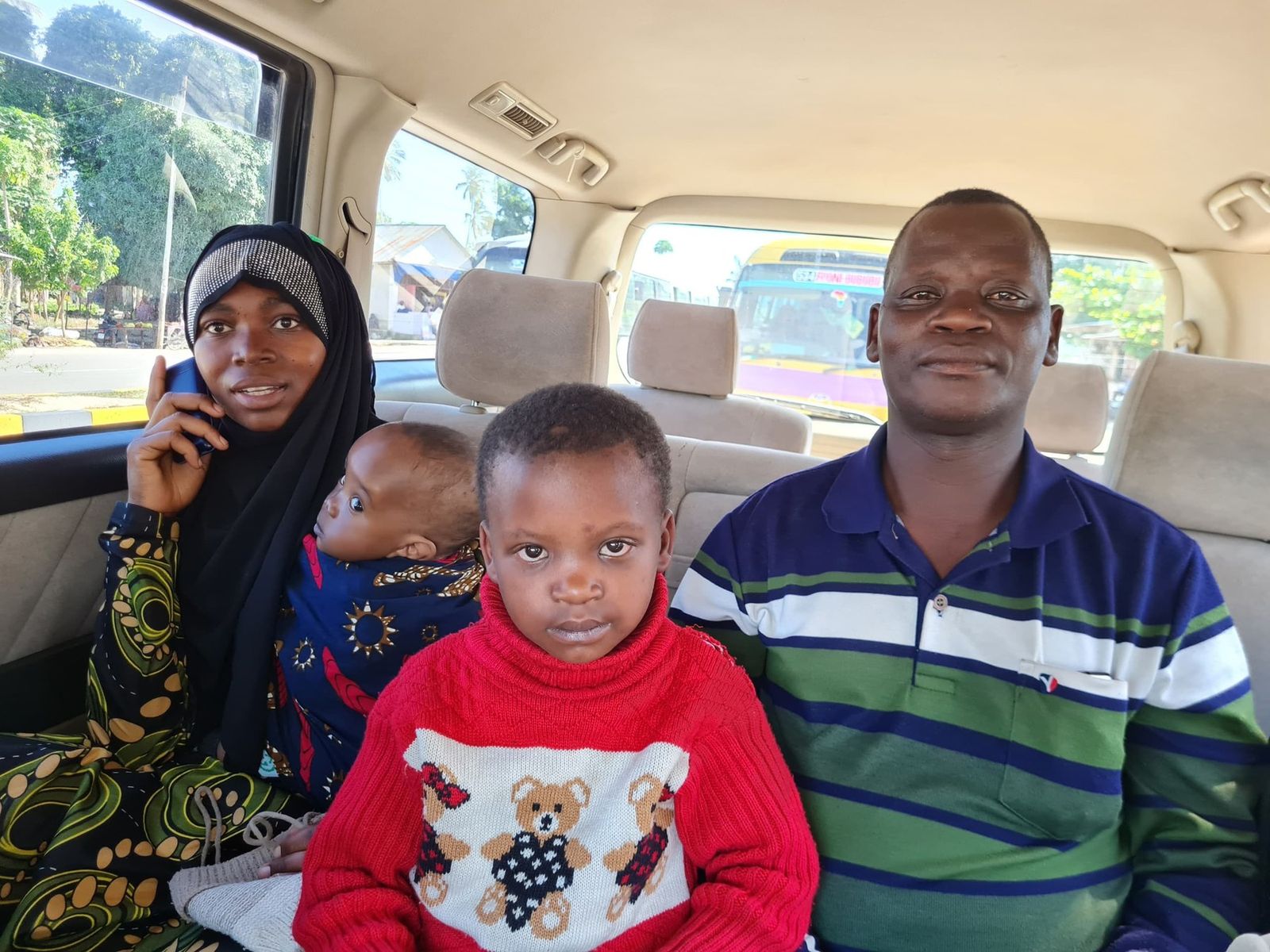
Healing Little Hearts: Roida and Ramadhani’s Journey Through CHD Awareness Week
As we observe Congenital Heart Defect (CHD) Awareness Week (February 7-14), we celebrate the healing of Roida (7 years, 10 days old) and Ramadhani (1…
Read more