
The One New Heart Tanzania at the World Congress on Rheumatic Heart Disease in Perth, Australia
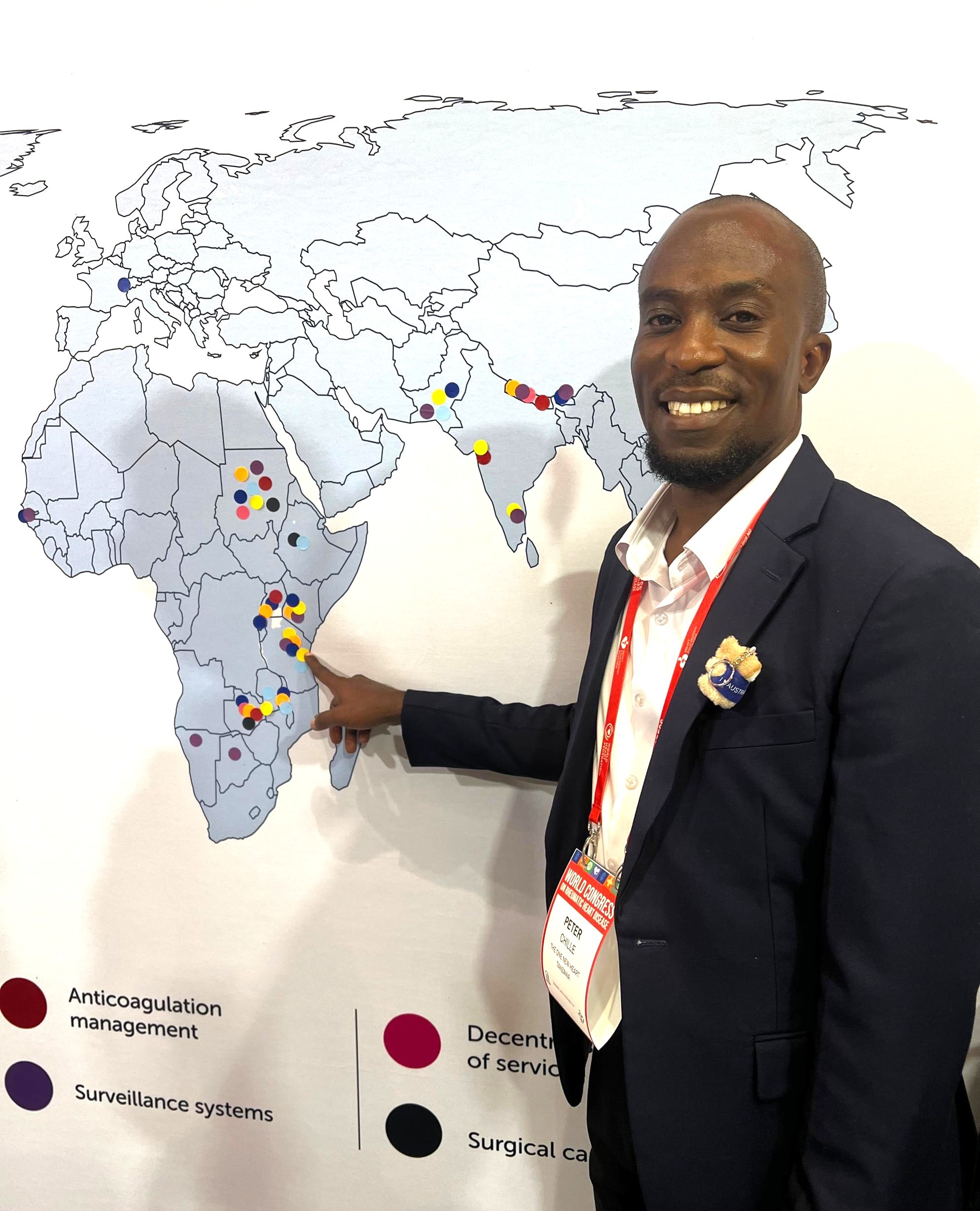
In Perth, we shared what school outreach in Tanzania has taught us: finding a child with rheumatic heart disease must lead to treatment the family can afford and to continued care.
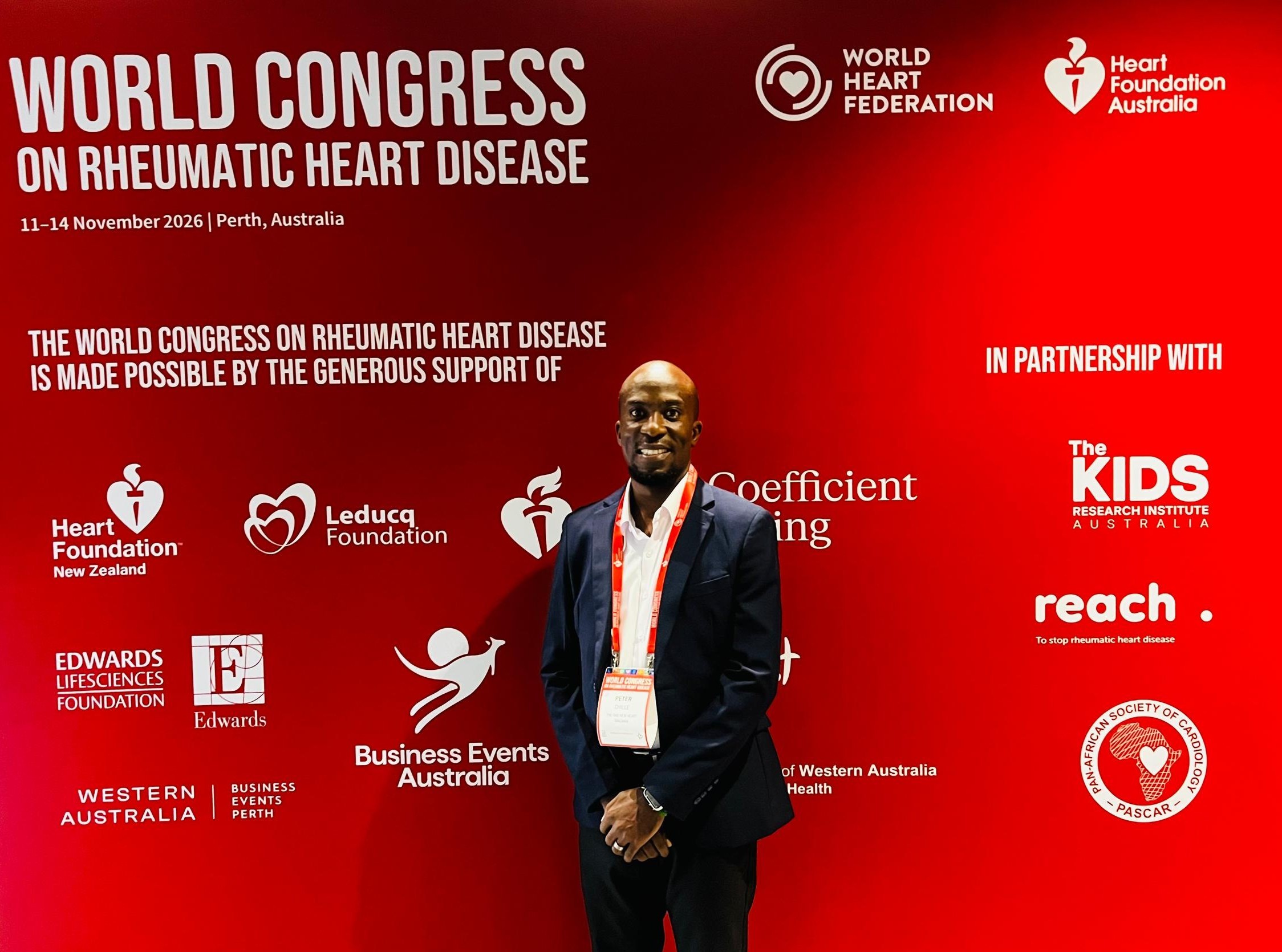
The One New Heart Tanzania has highlighted the need to connect early detection of rheumatic heart disease (RHD) with affordable treatment and continued care for children, following its participation in the World Congress on Rheumatic Heart Disease held in Perth, Australia from 11 to 14 November 2026.
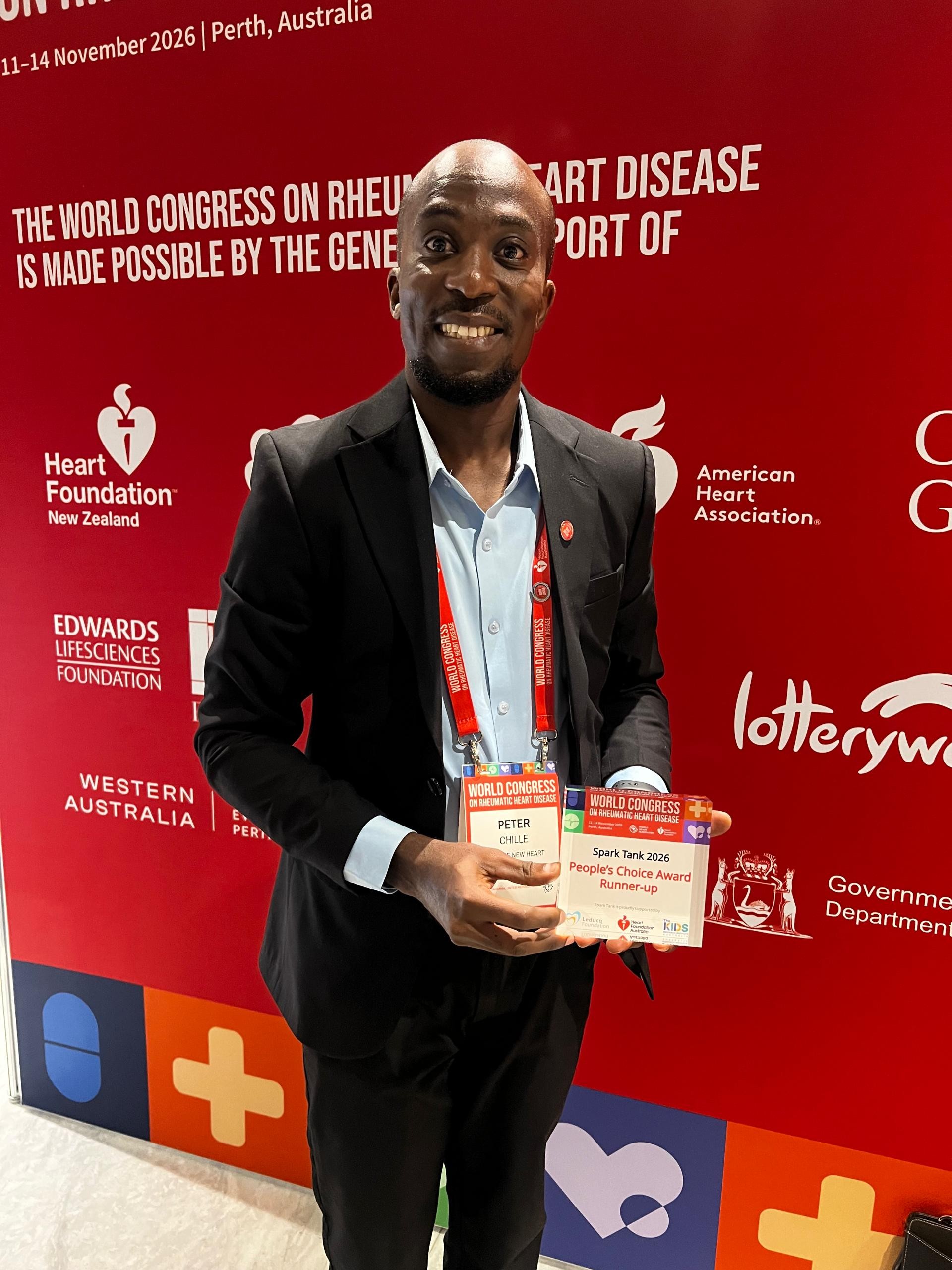
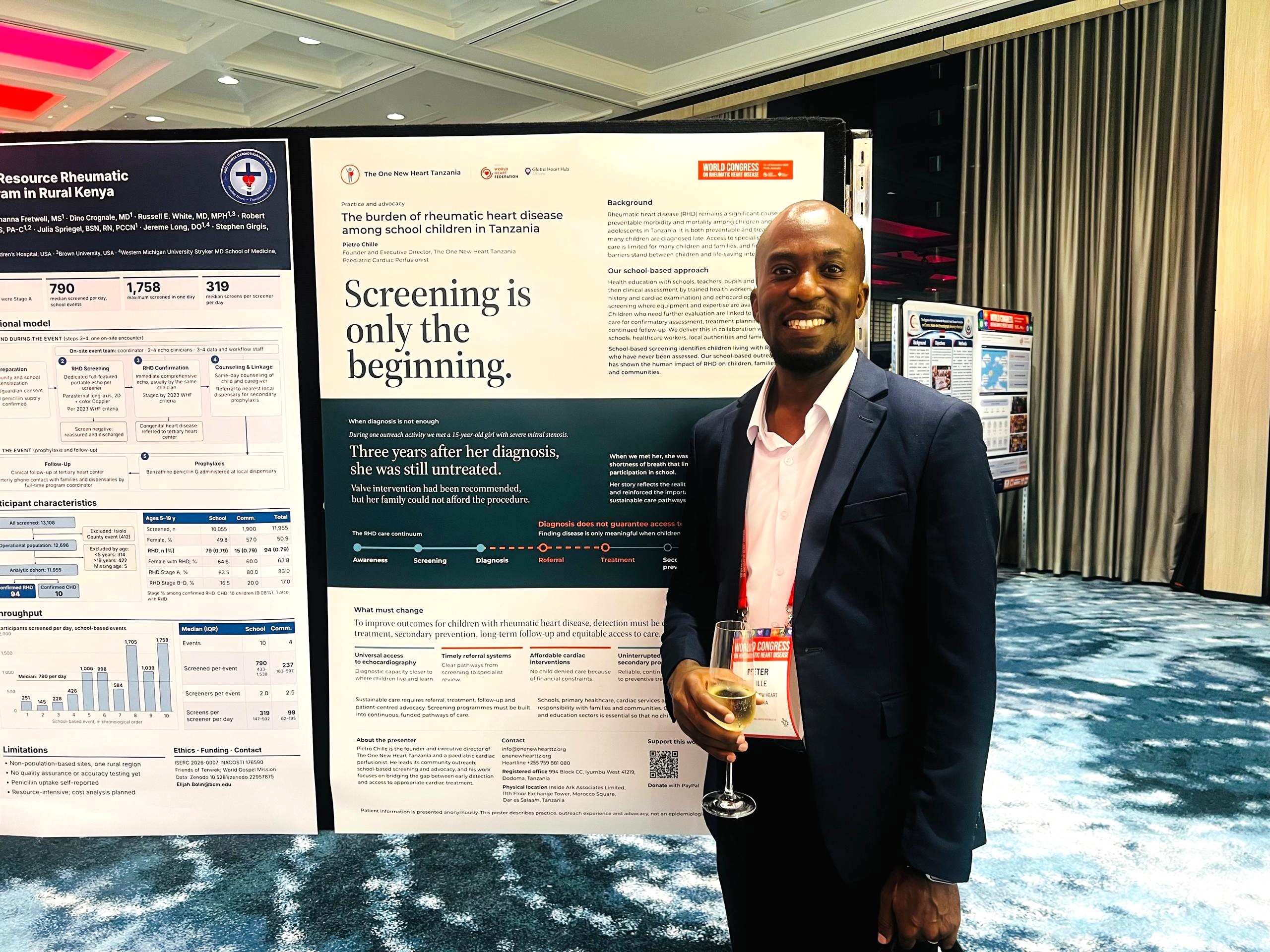
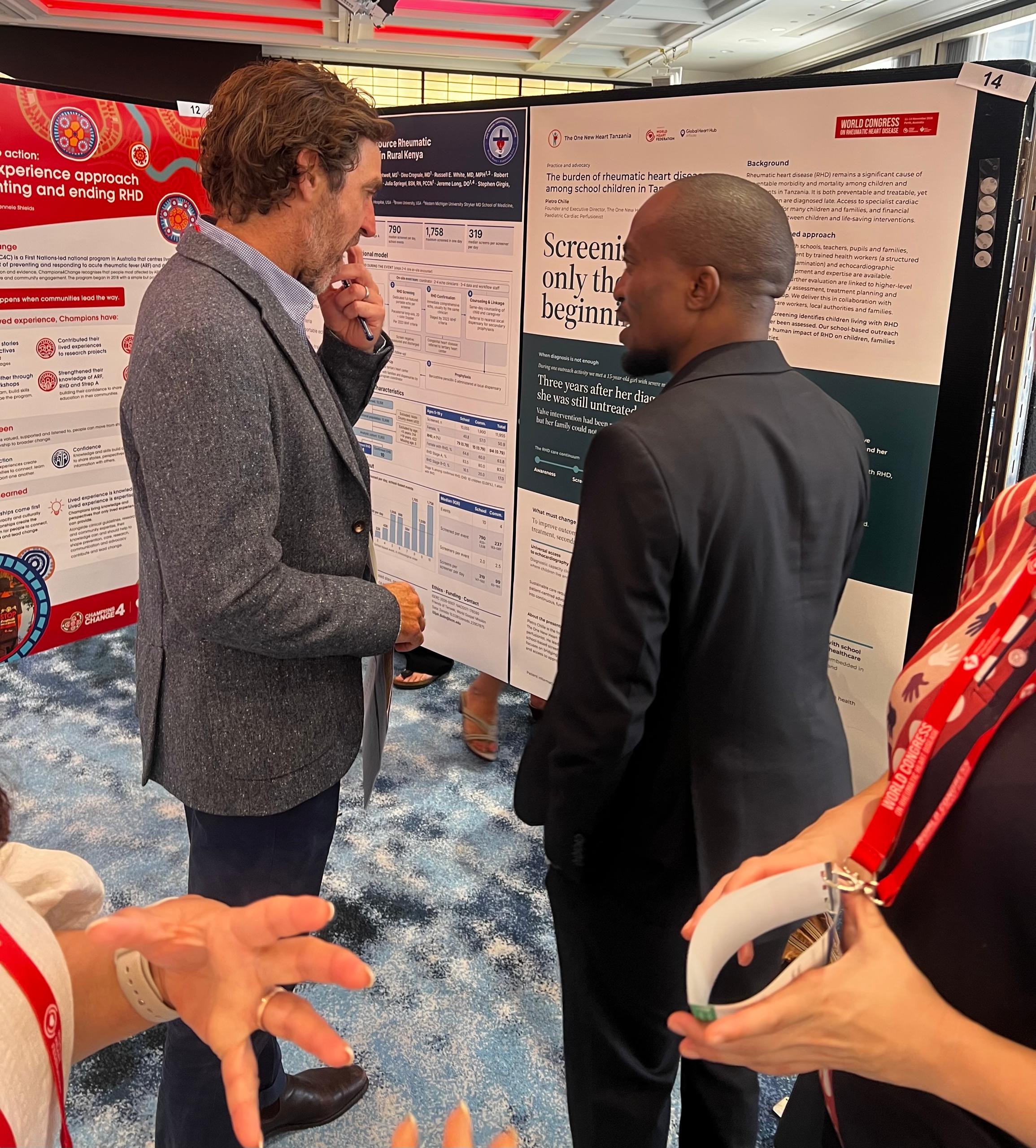
Represented by its Executive Director, Pietro Chille, the organization presented a poster titled “The Burden of Rheumatic Heart Disease Among School Children in Tanzania.” The presentation shared experiences from school-based outreach and highlighted the challenges children and families face in accessing timely diagnosis and treatment.
The Congress, jointly organized by the World Heart Federation and the National Heart Foundation of Australia, brought together healthcare professionals, researchers, policymakers, patient representatives and advocates to strengthen global efforts against RHD.
A major outcome was the adoption of the Perth Declaration, which sets a global target to eliminate rheumatic fever and rheumatic heart disease as public health problems by 2040.
Bringing Tanzania’s experience to the global discussion
For The One New Heart Tanzania, the Congress provided an opportunity to share experiences from communities where children remain at risk of preventable heart disease and access to specialized treatment remains a challenge.
Our poster carried a simple but important message: Screening is only the beginning.
During one of our outreach activities, we encountered a 15-year-old girl with severe mitral stenosis, a serious narrowing of one of the heart valves. Although she had been diagnosed three years earlier and a medical intervention had been recommended, her family could not afford the procedure.
By the time we met her, she was experiencing increasing difficulty breathing, affecting her daily activities and participation in school.
Her experience highlights a critical challenge in Tanzania. Identifying a child with heart disease is important, but diagnosis alone cannot save lives if appropriate treatment remains beyond the family’s reach.
Our presentation therefore emphasized the need to strengthen the entire pathway of care, from awareness and screening to diagnosis, referral, affordable treatment, secondary prevention and long-term follow-up.
What the Perth Declaration means for Tanzania
The Perth Declaration reinforces the importance of preventing RHD, improving access to early diagnosis and ensuring that people already living with the disease receive appropriate and continuous care.
It calls for stronger national prevention programmes, reliable access to essential antibiotics, better patient follow-up systems and greater investment in healthcare services. It also emphasizes that communities affected by RHD should participate in shaping the programmes intended to support them.
These priorities are directly relevant to Tanzania, where financial barriers, limited diagnostic services and difficulties accessing specialized care continue to affect children and families.
They also reflect our ongoing work through Colors to Save Hearts, a programme that promotes awareness of rheumatic heart disease among schoolchildren and communities, encourages early healthcare-seeking behaviour and strengthens connections between schools and health services.
The Congress reinforces an important lesson from our work: lasting progress requires more than individual outreach activities. It requires stronger local healthcare systems, informed communities, reliable referral pathways and sustained partnerships.
Moving from knowledge to action
Globally, approximately 55 million people live with rheumatic heart disease and more than 370,000 die from it each year, according to the Perth Declaration.
Despite advances in medical knowledge, many of these deaths remain preventable.
Reflecting on the Congress, Pietro Chille emphasized that rheumatic heart disease should no longer be accepted as an inevitable consequence of poverty, social disadvantage or geography.
The challenge is to translate existing knowledge into practical action through stronger healthcare systems, sustained investment and meaningful community involvement.
The Perth Declaration also establishes commitments that will be reviewed at the next World Congress in 2029, creating an opportunity to assess progress rather than simply repeat previous promises.

Our commitment
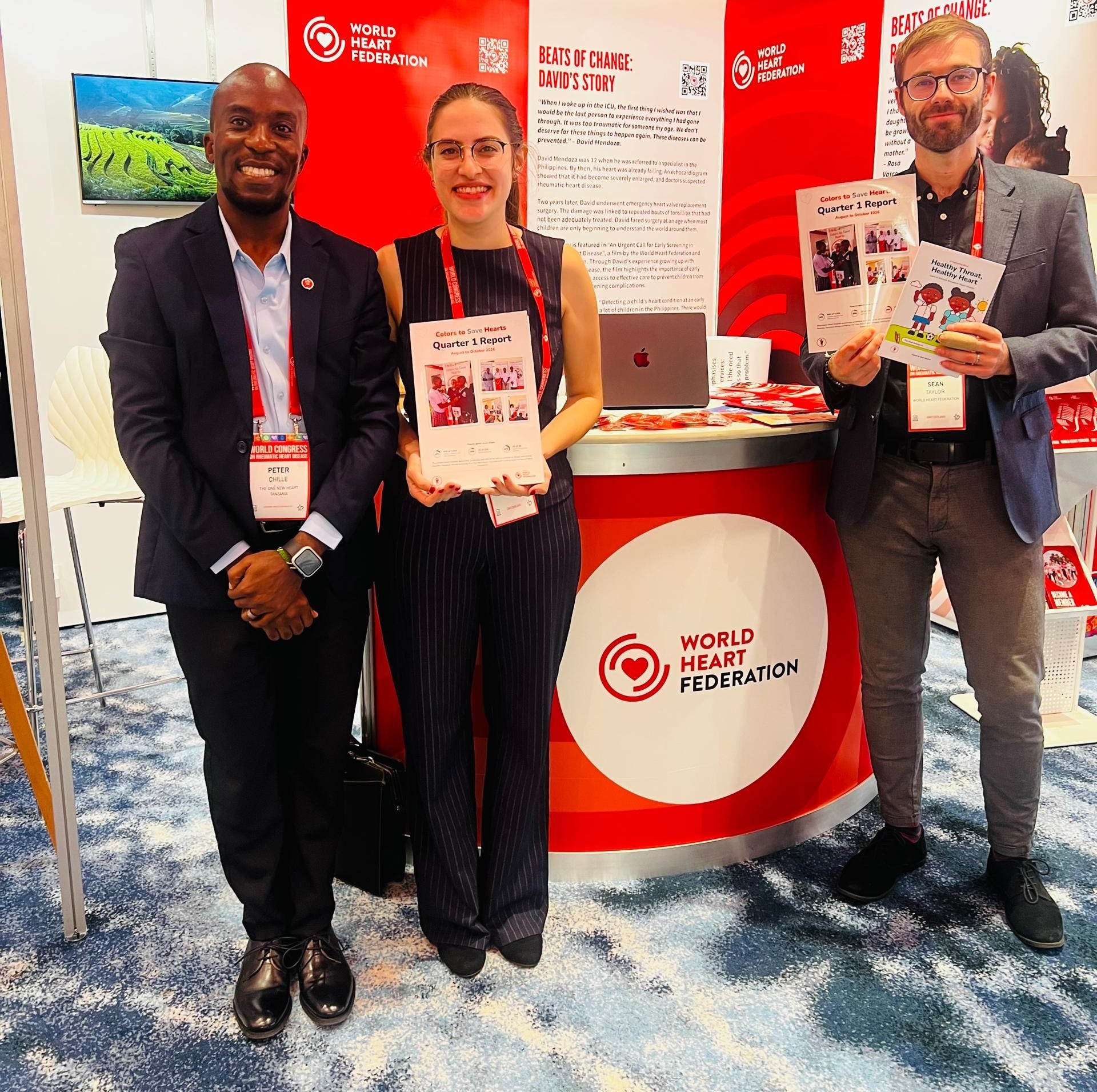
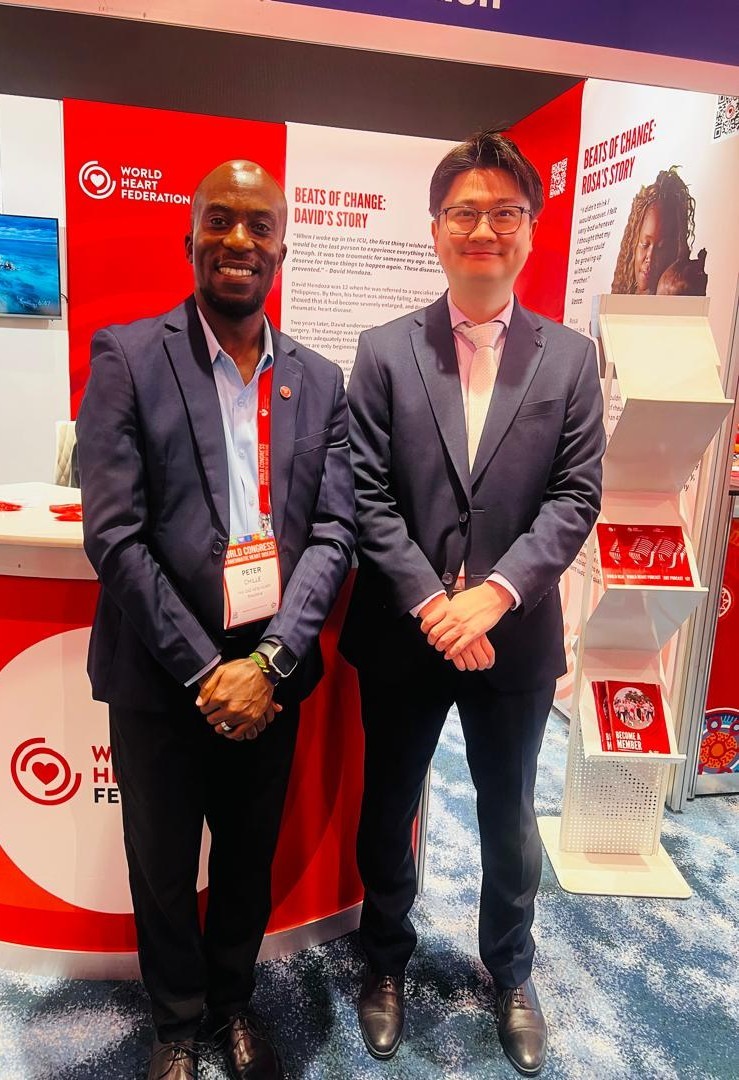
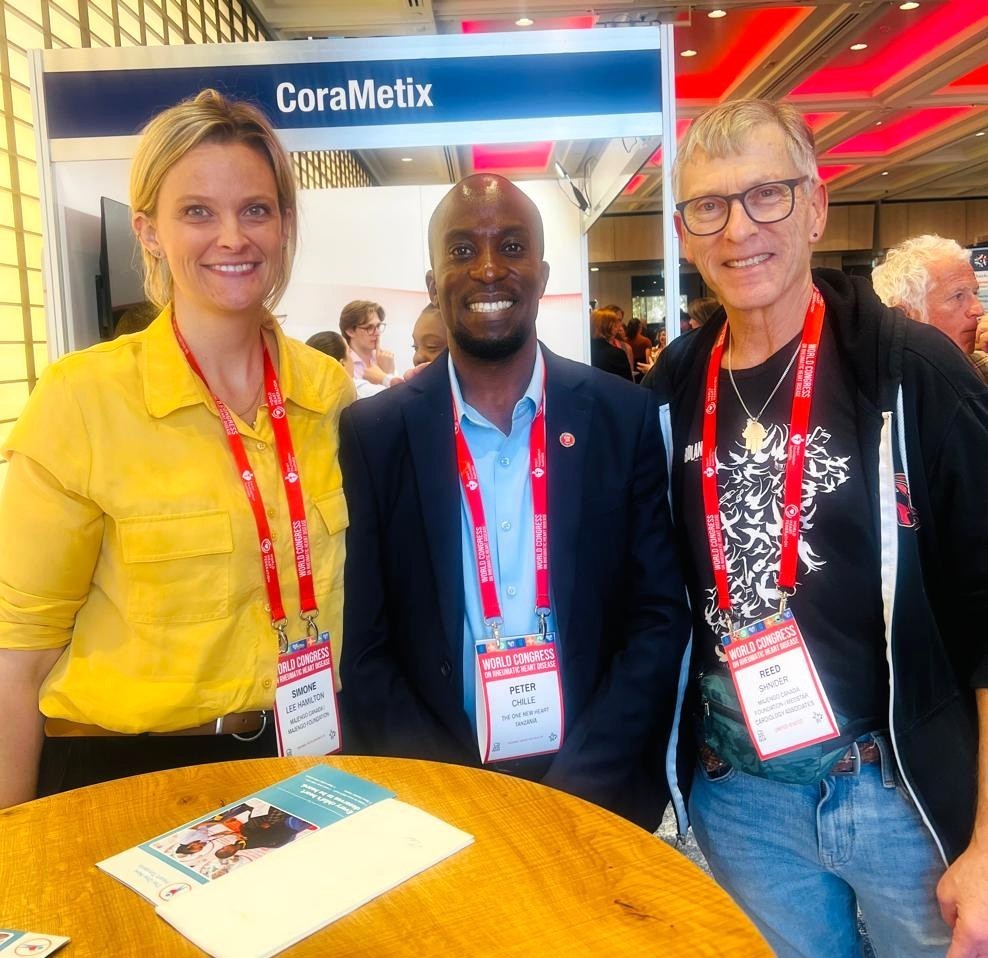
As a member of the World Heart Federation, The One New Heart Tanzania remains committed to working with healthcare institutions, schools, communities and partners to improve the prevention, early detection and treatment of heart diseases among children in Tanzania.
Our participation in Perth has reinforced the importance of connecting local experiences with global evidence and ensuring that international commitments lead to practical improvements in the communities most affected.
Our goal is not simply to identify more children living with rheumatic heart disease, but to help ensure that every child identified has a realistic pathway to the care they need.
The journey towards eliminating rheumatic heart disease begins with prevention, but it must also include those already living with the disease who cannot afford to wait.
More news
All news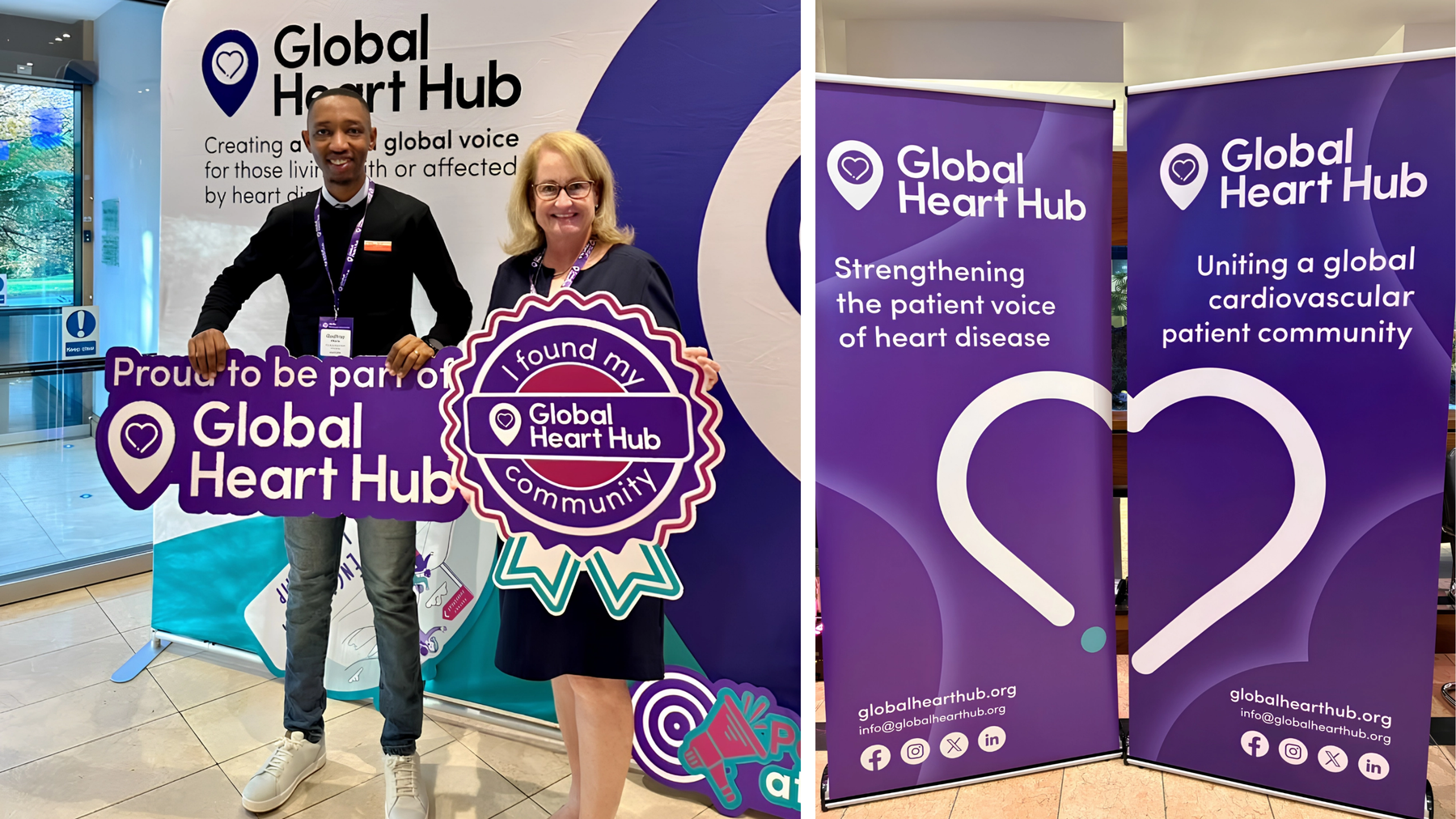
Connecting the Global Discussion to Patients' Experiences in Tanzania
One of the questions arising from the Global Heart Hub Unite Summit 2026 in Dublin is how patient organizations can help create more meaningful opportunities for patients and caregivers to participate in decisions affecting their care.
Read more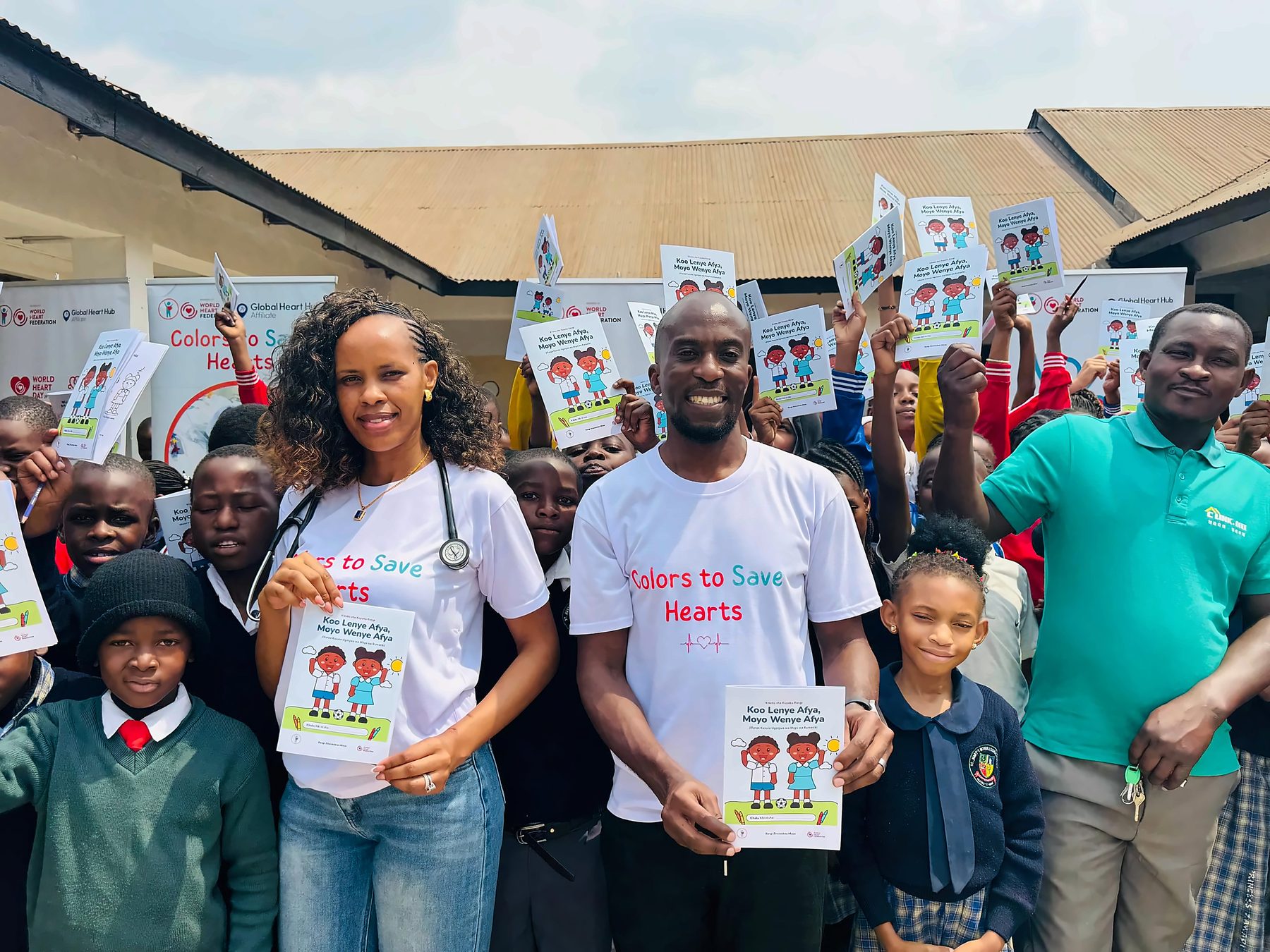
“Do you think I don’t know what will happen?” A student from Mbeya on the injections that protect his heart
A colouring-book page led a student from Mbeya to tell us what living with rheumatic heart disease is like and why he keeps going back for injections he fears.
Read more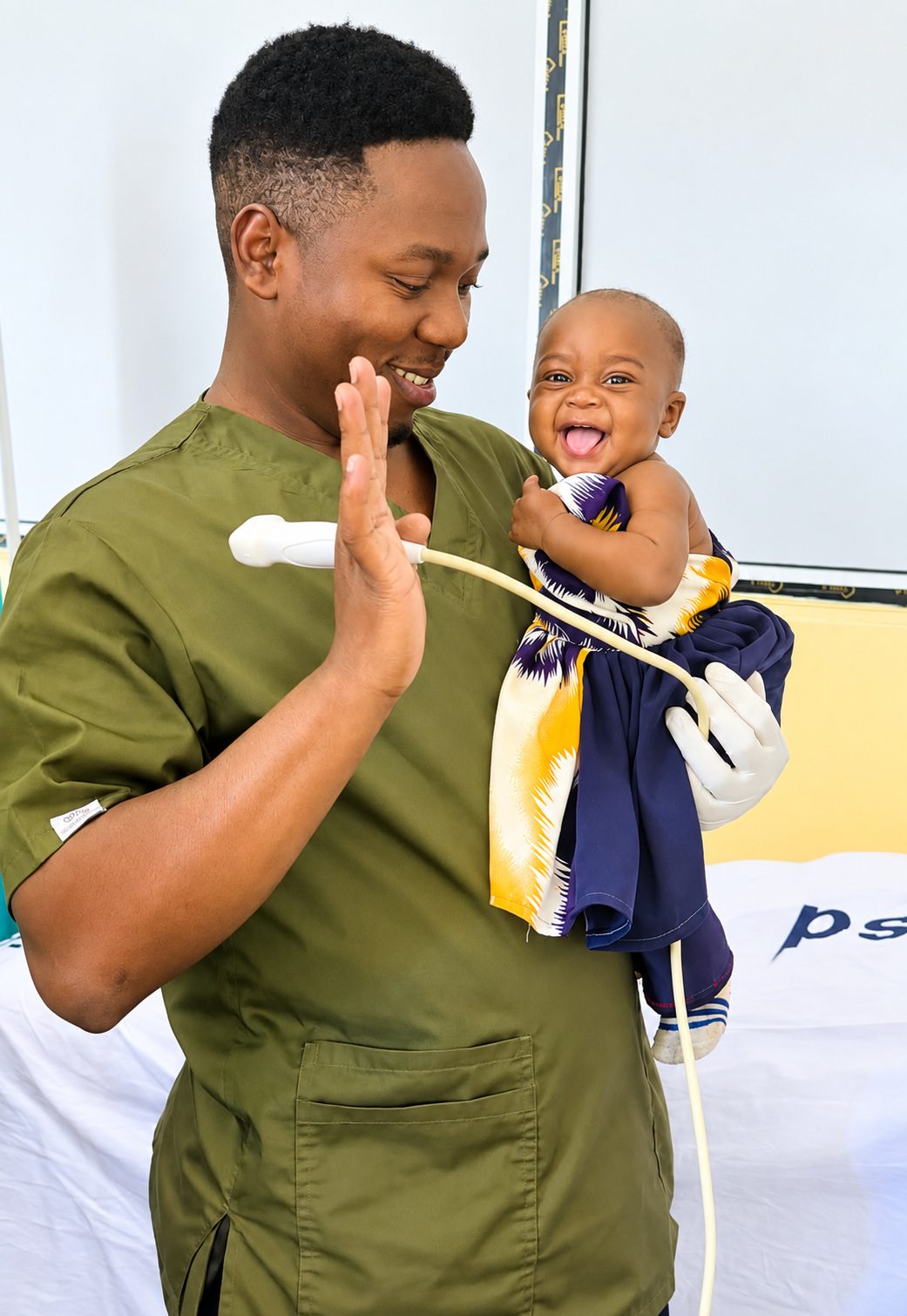
World Heart Day 2026: don't miss the signs of heart disease in children
On World Heart Day we ask every family, health worker and leader in Tanzania to act early on heart disease in children. Early checks change what happens next.
Read more