Roida and Ramadhani’s Journey Through CHD Awareness Week
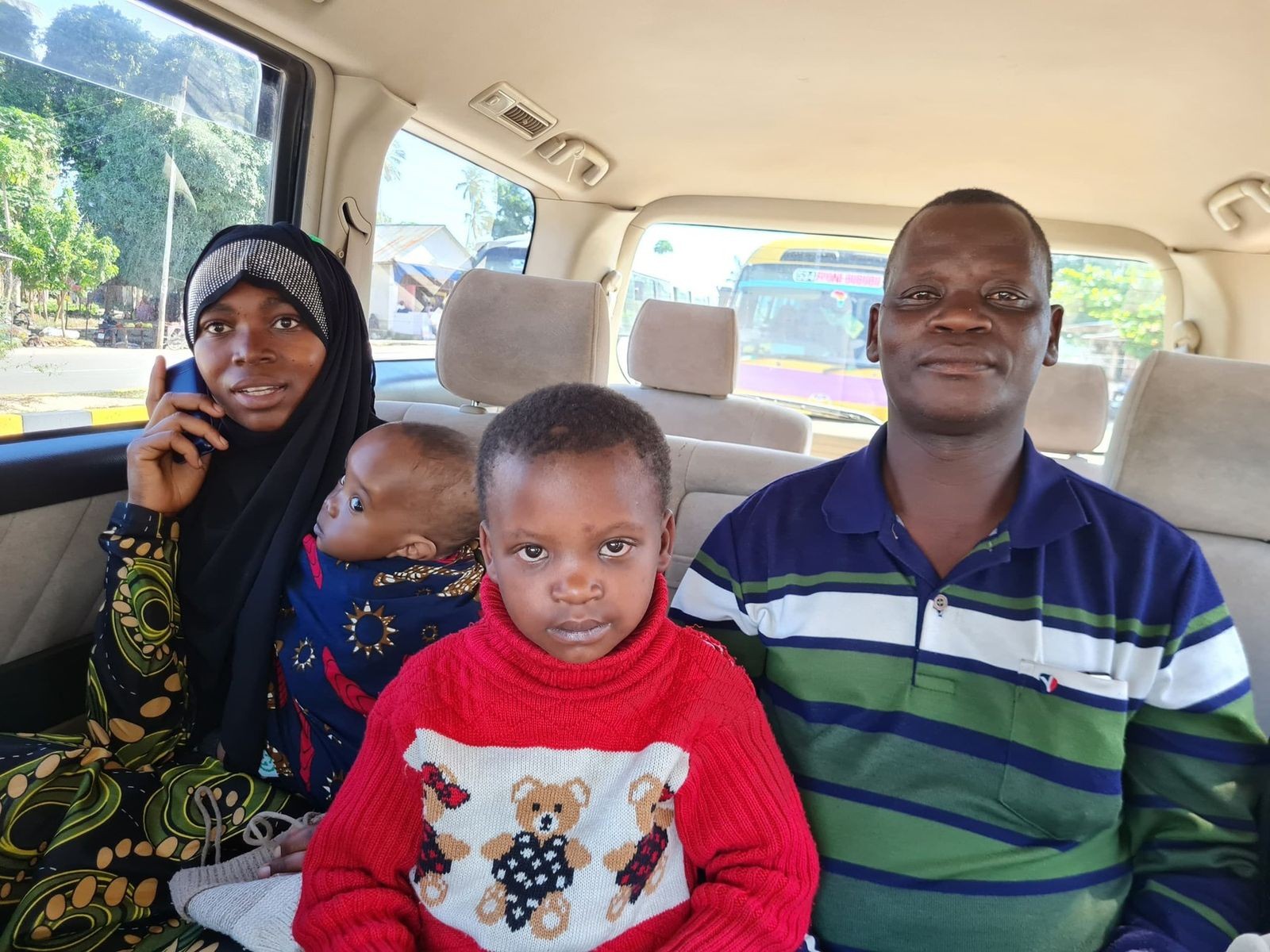
As we observe Congenital Heart Defect (CHD) Awareness Week (February 7-14), we celebrate the healing of Roida (7 years, 10 days old) and Ramadhani (1 year, 8 months old), who are now recovering after undergoing open-heart surgeries.
Their healing journey has taken almost a year since they were first diagnosed with Tetralogy of Fallot (TOF) at Mbeya Zonal Referral Hospital in early March 2024 during our free children's heart camp with Atul Prabhu, a pediatric interventional cardiologist and electrophysiologist from India.
Tetralogy of Fallot (TOF) is a complex congenital heart condition consisting of four heart defects that occur together, affecting blood flow between the heart and lungs.
Due to the severity of their cases, we initially planned to send them to India for open-heart surgery. However, we faced several challenges, including family issues, regulatory processes and financial constraints.
We are deeply grateful to the Embassy of Tanzania in India, which provided crucial support in navigating regulatory requirements. Our first hospital of choice could not assist due to policy limitations, requiring us to seek alternative options.
The family had to travel from Mbeya to Zanzibar and back, covering a driving distance of more than 566 miles and finally to India for treatment. Despite all these, our dedicated team at The One New Heart Tanzania, in collaboration with Atul Prabhu, Ministry of Health Zanzibar, Ark Associates Ltd, Container Concepts Limited, Tanzania Red Cross Society and Narayana Health Bangalore, made every effort to ensure their successful treatment.
Their corrective heart surgeries were finally performed in January 2025, marking a significant milestone in their journey to recovery. Indeed, it always takes many hearts to heal one little heart.
Congenital Heart Defect Awareness Week is observed annually to promote education and awareness about congenital heart conditions. CHDs are among the most critical and costly conditions, affecting individuals throughout their lives.
In Tanzania, nearly 8 in 1,000 live births are affected by CHDs, making them the most common type of birth defect and a leading cause of childhood mortality.
Given the prevalence and severity of this condition, it is crucial to increase awareness among medical professionals, researchers, families and the general public. Greater awareness leads to early diagnosis, better treatment options and improved survival rates for children born with heart defects.
Let us continue working together to support children with congenital heart defects and ensure they receive the care and treatment they need to live healthy lives.
More news
All news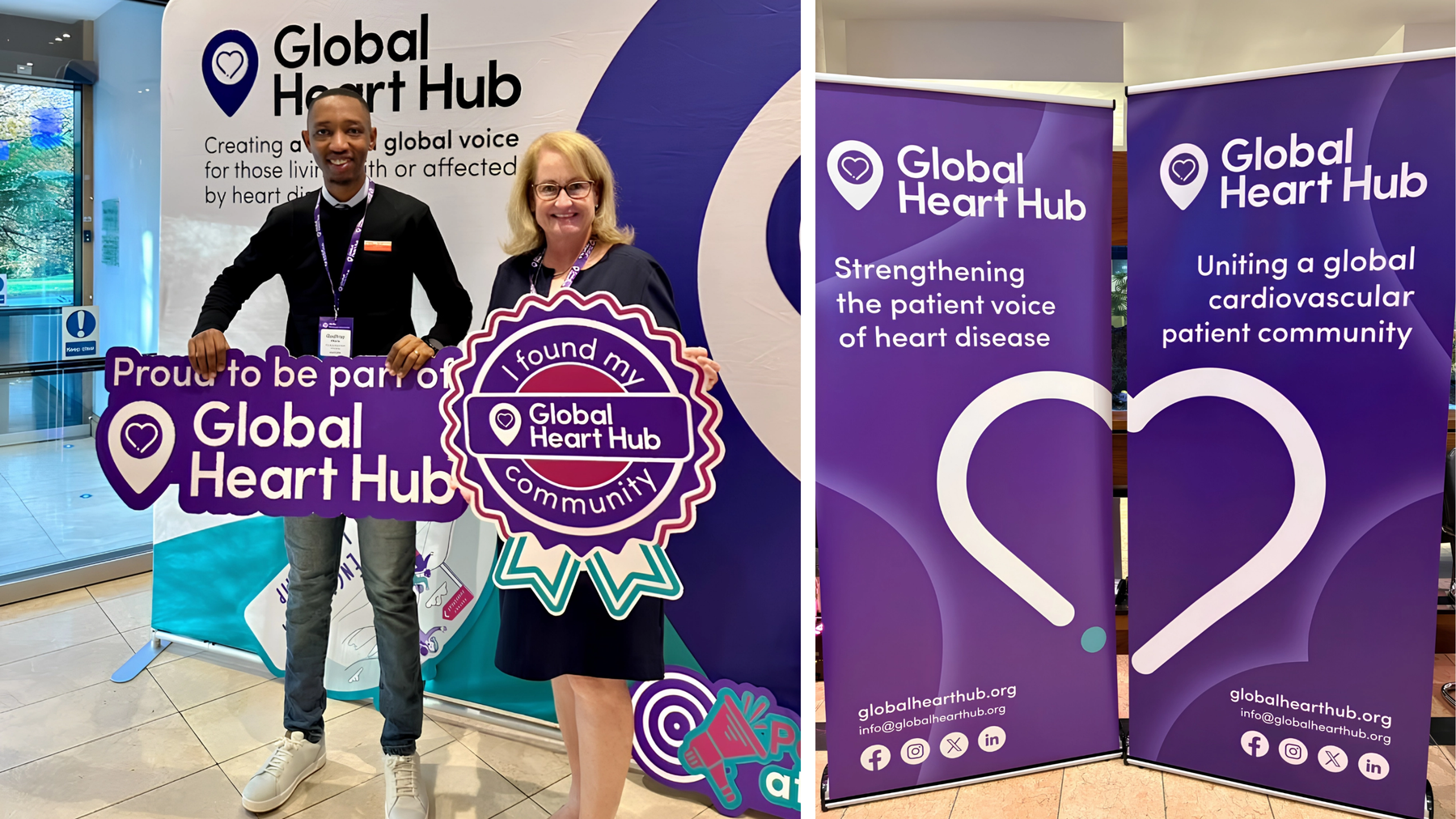
Connecting the Global Discussion to Patients' Experiences in Tanzania
One of the questions arising from the Global Heart Hub Unite Summit 2026 in Dublin is how patient organizations can help create more meaningful opportunities for patients and caregivers to participate in decisions affecting their care.
Read more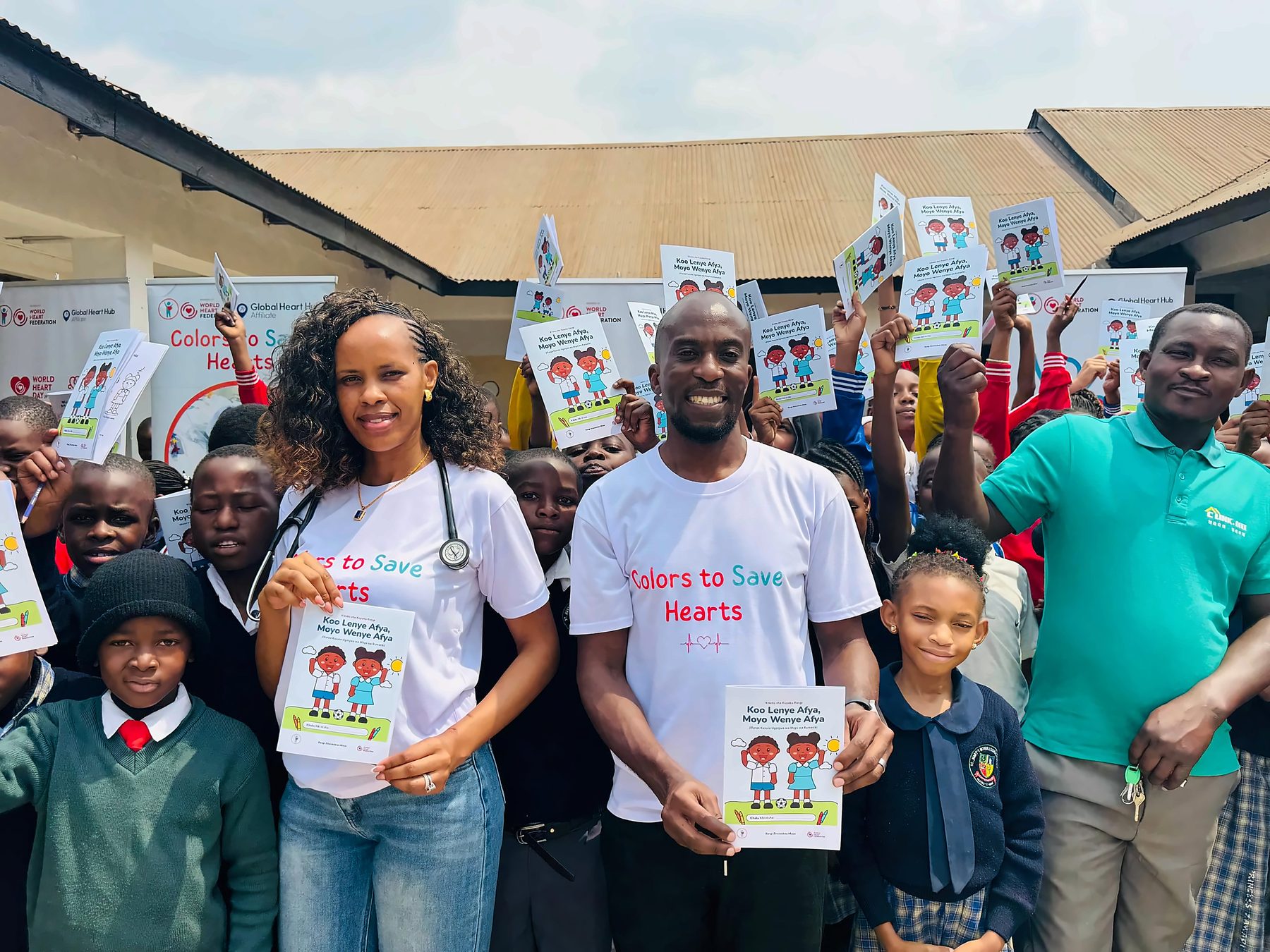
“Do you think I don’t know what will happen?” A student from Mbeya on the injections that protect his heart
A colouring-book page led a student from Mbeya to tell us what living with rheumatic heart disease is like and why he keeps going back for injections he fears.
Read more
World Heart Day 2026: don't miss the signs of heart disease in children
On World Heart Day we ask every family, health worker and leader in Tanzania to act early on heart disease in children. Early checks change what happens next.
Read more