
Flying for hearts: reaching remote communities in Chidudu and Dabia with MAF Tanzania
With MAF Tanzania we flew to two remote villages to add heart, diabetes and blood pressure checks to clinics that families walk hours to reach.
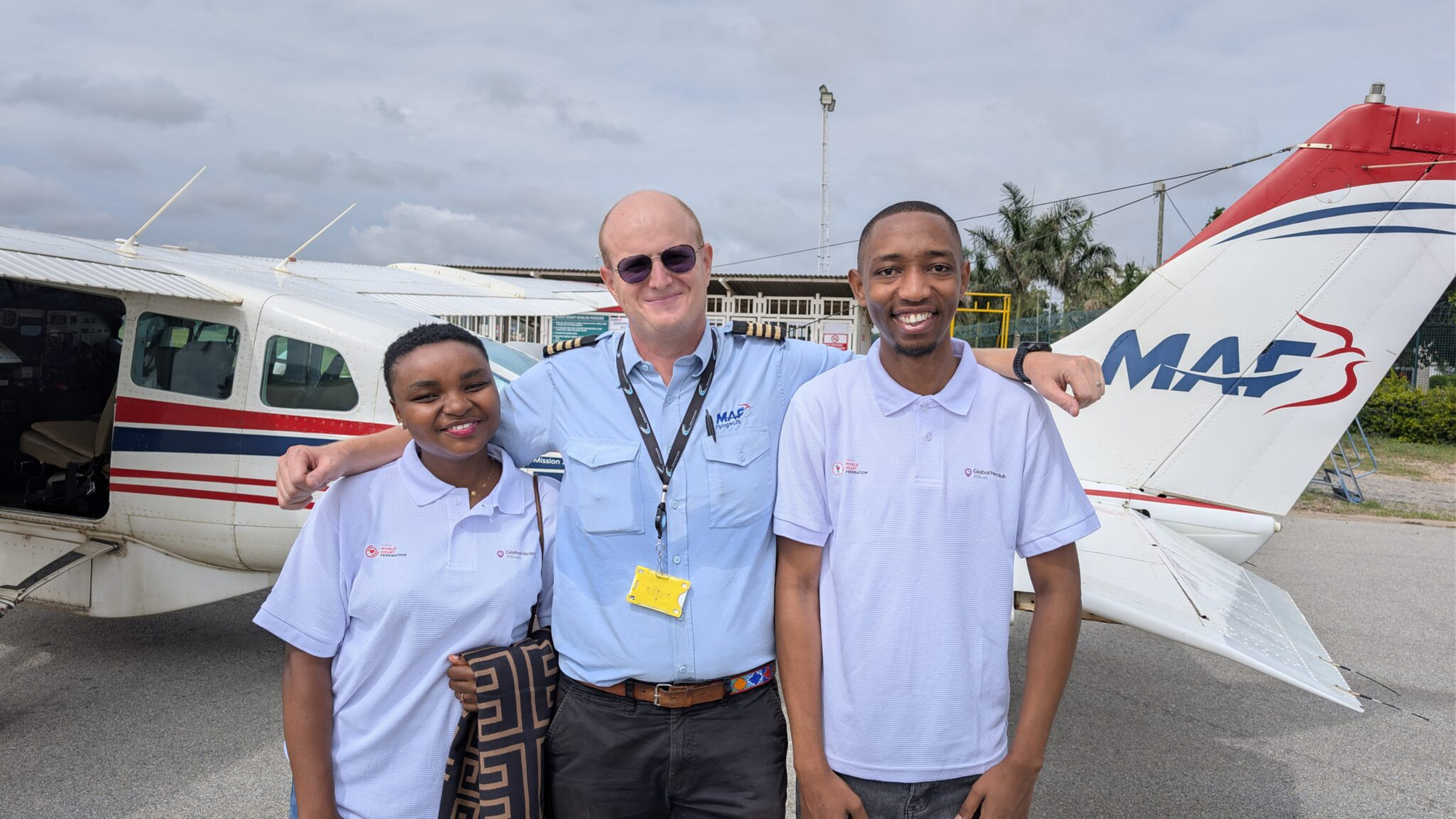
Access to healthcare remains one of the greatest challenges for many remote communities in Tanzania. On 28 and 29 January 2026, we had the privilege of partnering with Mission Aviation Fellowship (MAF Tanzania) to support two life-changing medical outreaches in Chidudu and Dabia, bringing essential services closer to mothers, children and vulnerable patients who would otherwise go without care.
The medical outreaches were conducted in two remote communities in central Tanzania. Chidudu village is located in Singida Region, while Dabia village is located in Dodoma Region. Both regions face significant challenges in accessing primary healthcare due to long travel distances, poor road infrastructure and seasonal barriers, making aviation-supported outreach a vital lifeline.
Chidudu: flying for mothers, children and hearts
Chidudu village is a powerful example of resilience in the face of limited access to healthcare. Community members shared that seeking medical care often means walking up to 12 hours or riding a bodaboda for about an hour and a half, a journey that becomes nearly impossible during the rainy season.
What would normally be an 8-hour road journey from Dodoma took just 35 minutes by air with MAF. Upon arrival, community members, mostly mothers and children, worked together to clear shrubs from the runway to ensure safe landing and departure.
For over 10 years, MAF volunteers have been serving more than 150 mothers and children every month, often under extremely limited conditions. This is Flying for Life in action.
Through this collaboration, we were able to add heart screening, diabetes checks and hypertension screening, complementing existing maternal services where nurses rely on fetoscopes to listen to fetal heartbeats. In collaboration with Anita Owens Rich, we are also working to train nurses and extend these missions to other hard-to-reach areas across Tanzania.
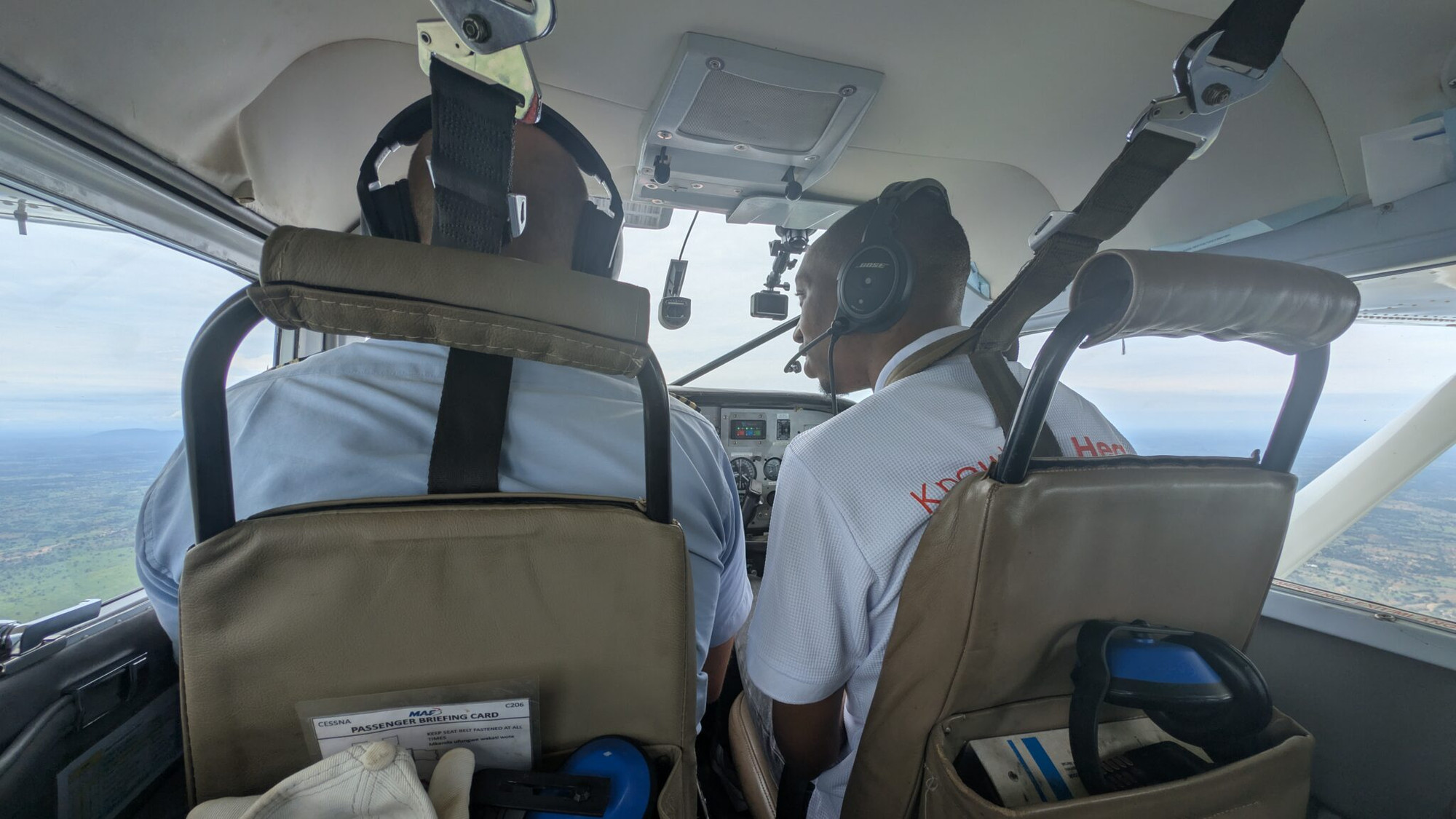
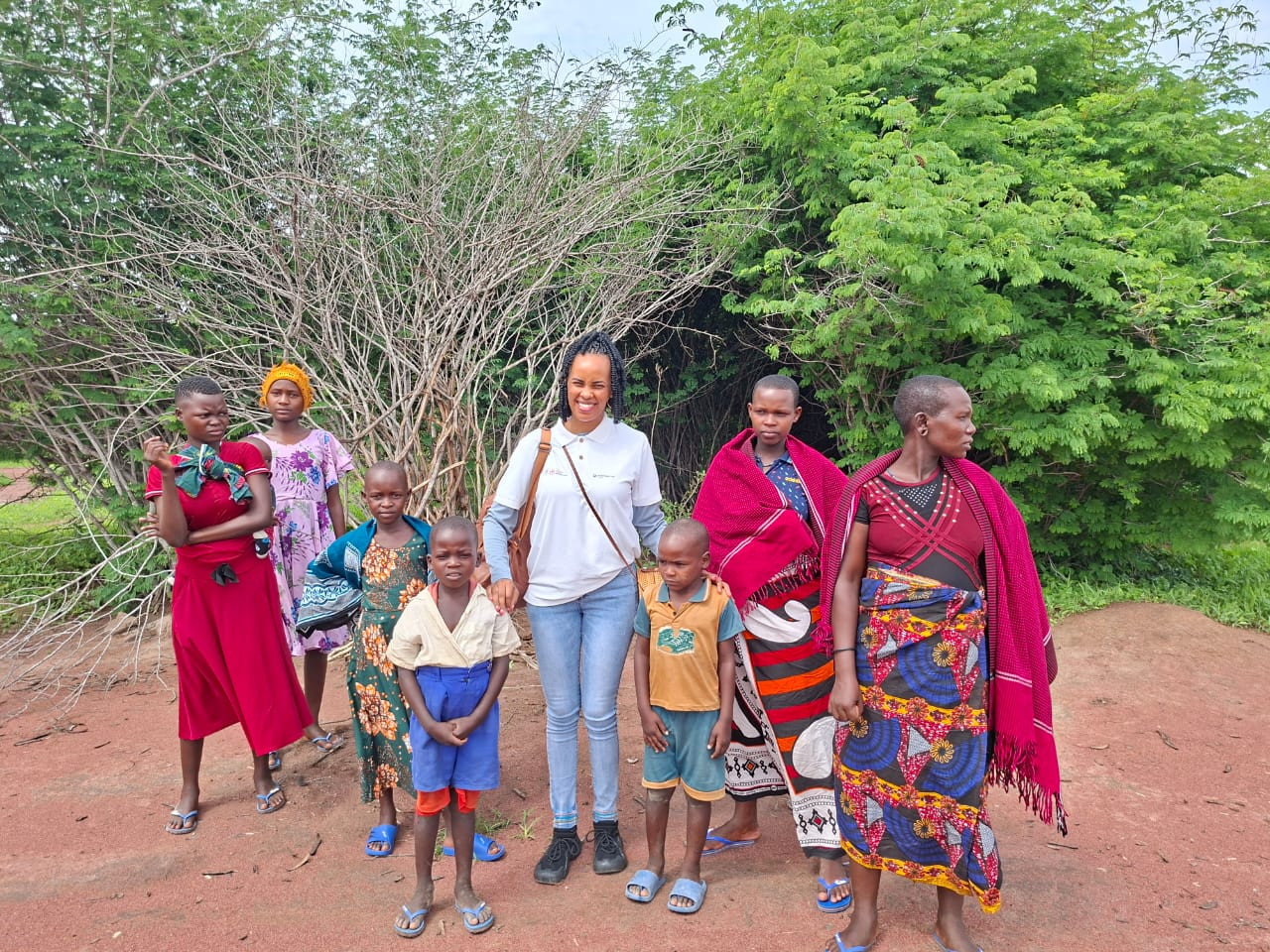
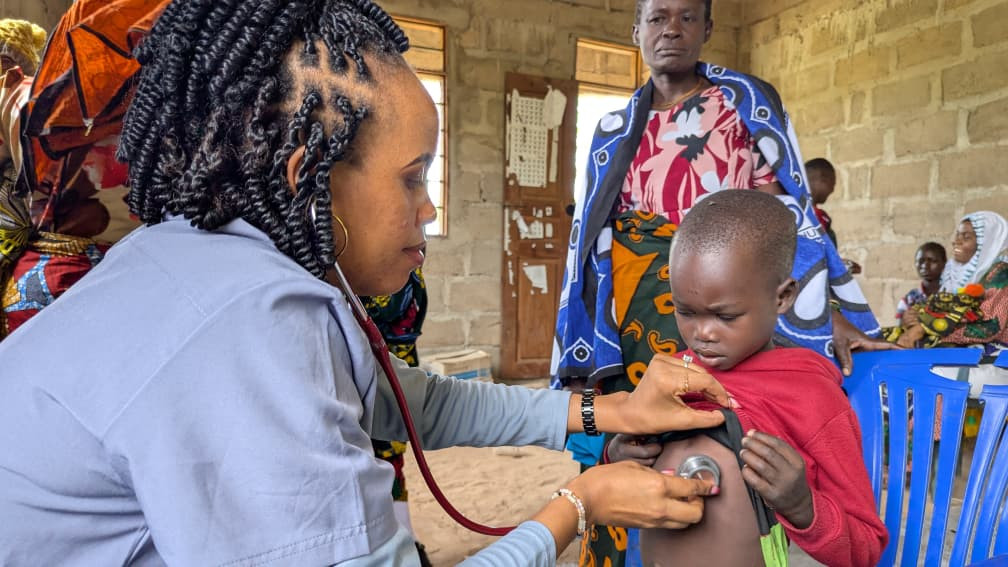
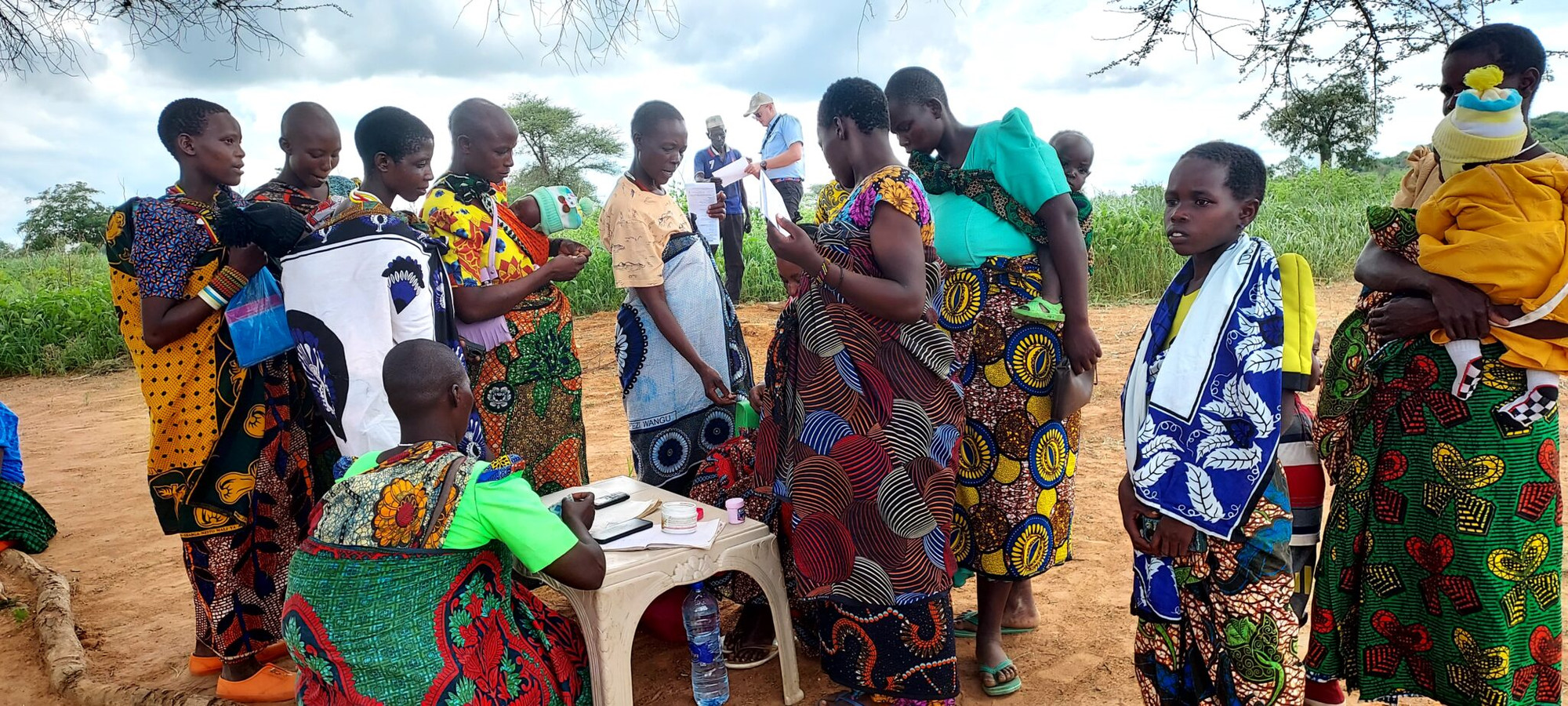
Photo credit: The One New Heart Tanzania
Dabia: medical outreach highlights
In Dabia, located approximately 110 km from Dodoma, a joint medical outreach with MAF delivered essential services to an underserved population with limited access to healthcare facilities.
Patient attendance. A total of 134 patients were attended during the outreach:
- Females: 57
- Pregnant women: 37
- Males: 15
- Children: 25
- Adults in total: 53
Key clinical findings. Among the 53 adults seen, one patient was identified with hypertension and chest pain features suggestive of ischaemic heart disease. The remaining adult patients were normotensive, with no significant cardiovascular abnormalities detected.
An 8-year-old child presented with a long history of recurrent upper respiratory tract infections and recurrent tonsillitis. Cardiac auscultation revealed a pan-systolic murmur, with clinical findings suggestive of rheumatic heart disease. Appropriate counselling and referral were provided.
Impact and the way forward
These outreaches highlighted the critical importance of early screening, regular medical services and effective referral systems in remote communities. While most patients were clinically stable, identifying serious conditions early reinforced how outreach programmes can be truly life-saving.
Our partnership with Mission Aviation Fellowship continues to demonstrate how aviation can bridge the healthcare gap, connecting skilled medical teams to communities otherwise isolated by distance, terrain and weather.
More news
All news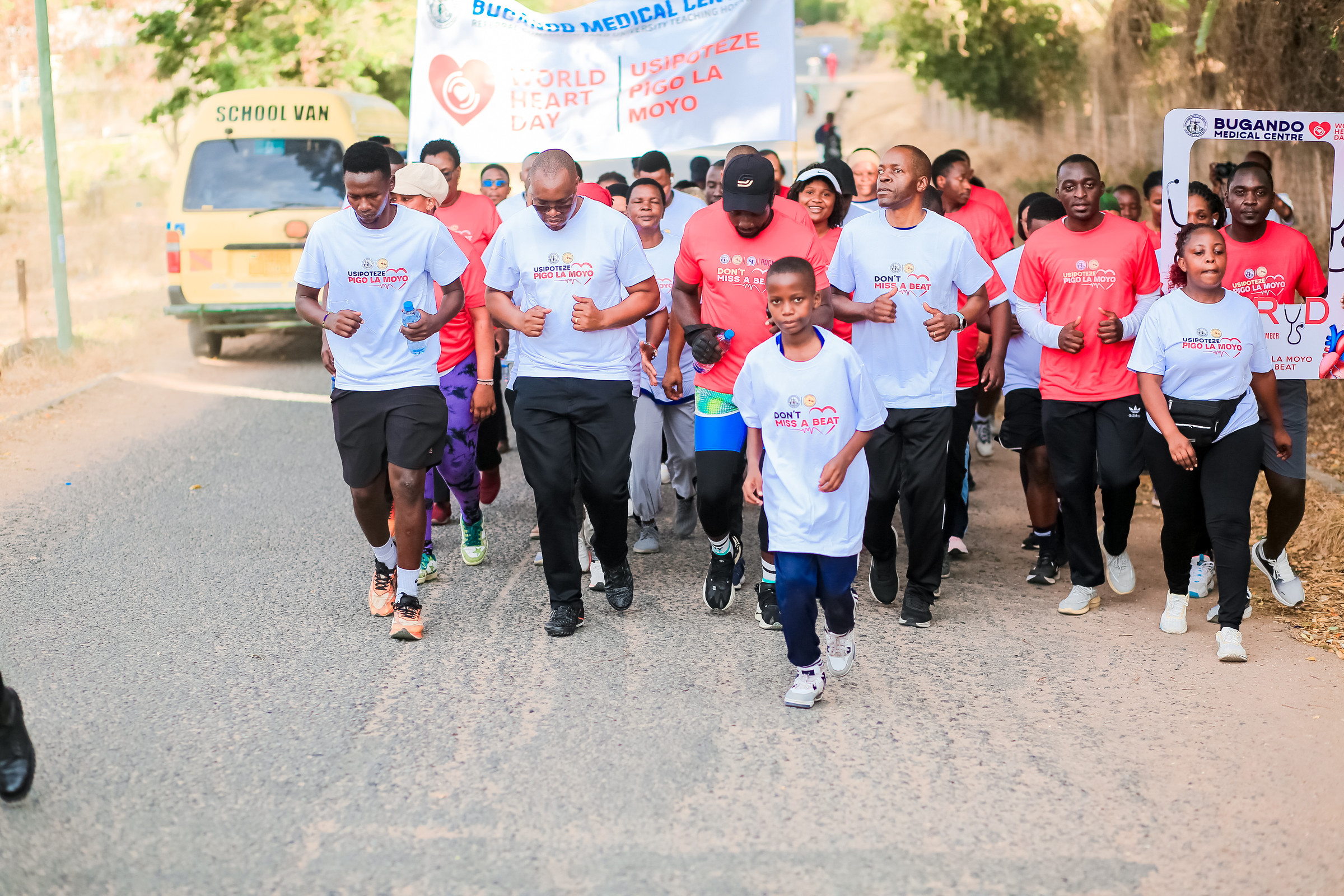
World Heart Day 2026 in Mwanza with Bugando Medical Centre
This year we brought World Heart Day to Mwanza, in partnership with Bugando Medical Centre: a health walk, health education and health check-ups that brought heart health closer to the community.
Read more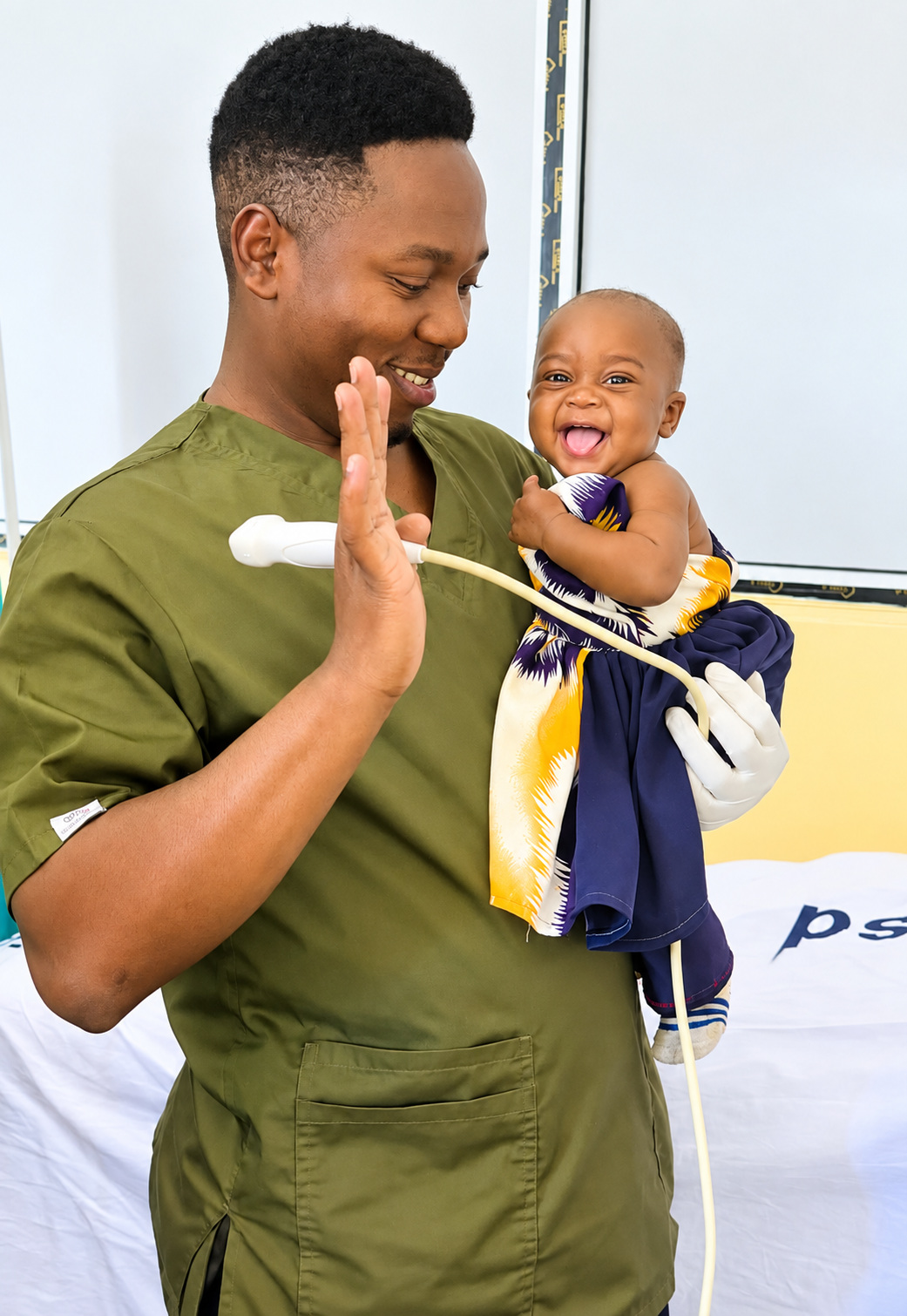
World Heart Day 2026: don't miss the signs of heart disease in children
On World Heart Day we ask every family, health worker and leader in Tanzania to act early on heart disease in children. Early checks change what happens next.
Read more
Colors to Save Hearts Launches in Tanzania
The One New Heart Tanzania has launched Colors to Save Hearts, a 12-month initiative aimed at reducing Rheumatic Heart Disease (RHD) among…
Read more